
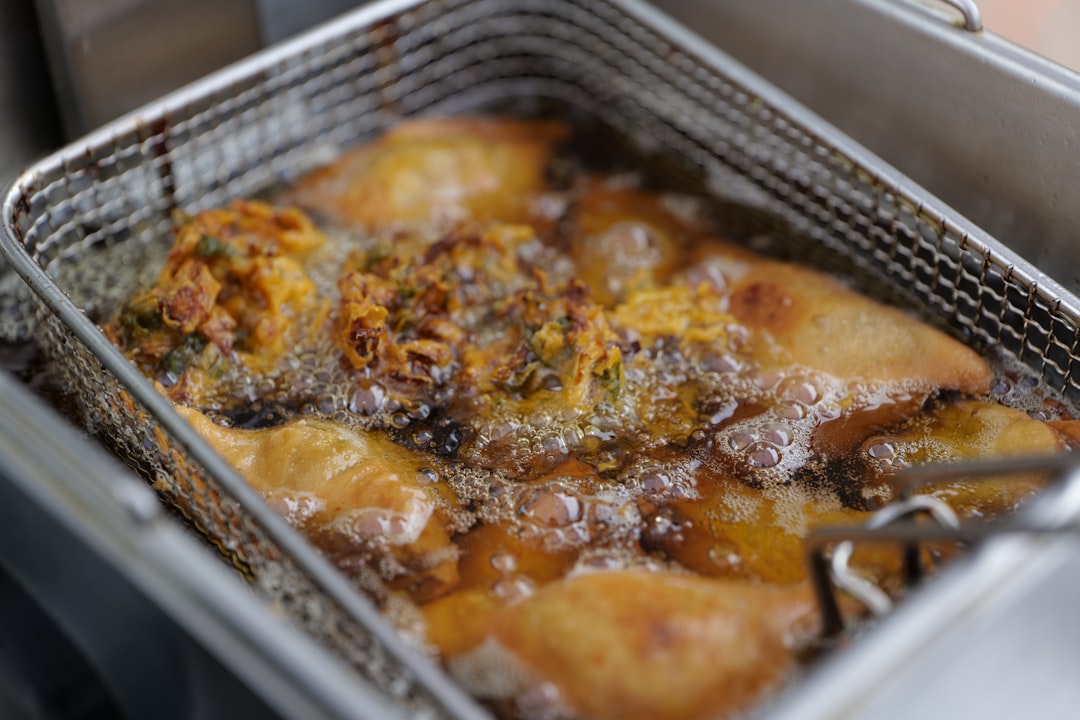
How to Clean an Air Fryer and Prevent Grease Buildup
Air fryers are a time-saver and a healthier alternative to deep frying, but they need routine care to stay efficient and odor-free. Grease buildup shortens the life of internal parts, affects cooking performance, and creates unpleasant smells.
If you’re shopping for a model or replacing an older unit, consider a user-friendly option such as the Nutrichef 5.8 Quart Air Fryer—it’s an example of a fryer with removable, dishwasher-safe parts that make cleaning easier.
Why regular cleaning matters
Grease and food residue trap heat and smoke, which can lead to uneven cooking, more smoke during use, and a shortened lifespan for components like the heating element or fan. Crumbs that escape the basket settle in the bottom tray and can carbonize, producing off-flavors. Regular cleaning preserves performance and safety.
Also keep the surrounding floor and counters free of crumbs and splatters—robot vacuums and mops made for kitchens can help maintain a tidy cooking area; for example, the roborock Q7 M5+ is designed to pick up debris around appliances so spilled crumbs don’t work their way back into the fryer.
What you’ll need (tools and safe supplies)
Gather a few inexpensive supplies before you start: soft dish soap, warm water, a non-abrasive sponge, a soft-bristled brush, microfiber cloths, and a silicone or nylon spatula for stuck food.
For grease and leftover oils, transfer cooled drippings or oily leftovers into airtight containers for storage or disposal—using quality containers such as the Razab 24 Pc Airtight Glass Food Storage Containers keeps waste contained and prevents accidental spills that contribute to grime.
If you like finishing with spices or oil sprays, consider tools that offer more control—an electric salt and pepper grinder gives you even seasoning without excess oily marinades that can increase residue inside the fryer.
Daily cleaning: quick after-each-use routine
Do these simple steps after every cooking session to stop buildup early:
- Unplug and let the fryer cool completely.
- Remove basket and tray; shake loose crumbs into the trash.
- Wash basket and tray with warm soapy water or place them in the dishwasher if dishwasher-safe.
- Wipe the interior with a damp cloth; avoid soaking the heating element.
- Dry parts thoroughly before reassembling.
If a recipe is particularly greasy, consider pan-frying high-fat items on the stovetop in a coated skillet like the KitchenAid Hard-Anodized Nonstick Frying Pan to contain and dispose of fats more easily—use the air fryer for foods that crisp without heavy greasing.
Deep cleaning: monthly or as-needed steps
For stuck-on grease or odors, do a deeper clean every 2–6 weeks depending on usage:
- Unplug and disassemble all removable parts.
- Soak basket, tray, and removable components in hot water with a tablespoon of dish soap and a splash of vinegar for 20–30 minutes, then scrub gently with a soft brush to lift grease.
- Use a soft brush or toothbrush to clean crevices and the interior fan area; do not spray liquid directly onto electrical parts.
- Wipe the interior surfaces with a paste of baking soda and water on stubborn spots, then rinse with a damp cloth.
- For the heating element, flip the unit and use a soft brush or cloth to remove crumbs; if oil has splattered onto the element, carefully wipe with a damp cloth after cooling.
After washing, ensure everything is bone-dry before reassembly—if you need to speed-dry removable parts, a low-heat setting on a household dryer or a controlled hair dryer like the Laifen Swift High-Speed Hair Dryer (used on low and held at a distance) can help remove trapped moisture. Always avoid directing hot air into electrical components.
Preventing grease buildup: habits that make cleaning easy
Small changes in how you cook and store food significantly reduce the need for heavy cleaning:
- Pat proteins dry before seasoning—drier surfaces crisp better and release less grease.
- Use a light coat of oil (spray or brush) rather than heavy marinades that drip.
- Shake off excess marinade or batter before placing food in the basket.
- After cooking, immediately transfer leftovers into sealed containers to prevent old oils from sitting on cookware; the Razab airtight containers are useful for this purpose.
Keeping the area around the fryer clean
Grease and crumbs that fall around the appliance will eventually find their way back into the fryer if the surrounding workspace isn’t kept tidy. Sweep or vacuum regularly and mop up any splatters.
To reduce daily upkeep, automate floor cleaning with a kitchen-capable robot vacuum and mop—units such as the roborock Q7 M5+ handle crumbs and light residue so fewer particles reach the underside of the fryer.
Small checklist before you finish
- Have you unplugged the unit and cooled it completely?
- Are removable parts washed, rinsed, and dried?
- Did you wipe the interior and heating element area carefully?
- Are leftover oils stored in airtight containers to avoid spills?
- Is the countertop and floor around the fryer swept or wiped?
Conclusion — Practical takeaway
Clean your air fryer after each use with a quick wipe and wash of removable parts, and perform a deeper clean monthly. Preventive habits—drying foods, light oiling, and proper storage in airtight containers—cut grease buildup dramatically. Consistent care keeps your fryer cooking like new and avoids smoky odors and damaged components.
FAQ
- How often should I deep-clean my air fryer? Every 2–6 weeks depending on use and how greasy your cooking tends to be; heavy-fry users should deep-clean more often.
- Can I put the basket in the dishwasher? Many baskets are dishwasher-safe—check the manual. If so, the top rack is usually best; hand-wash if parts are coated or fragile.
- How do I remove sticky, baked-on grease? Soak removable parts in hot, soapy water with a splash of vinegar, then use a soft brush; for the interior use a baking soda paste to loosen stubborn spots.
- Is it safe to use a hair dryer to dry parts? Yes, on a low setting and at a distance for plastic or metal parts—never direct hot air into electrical housing or connectors.
- How should I dispose of used cooking oil? Let oil cool, pour into a sealed container, and dispose with household waste or reuse if filtered and stored in airtight containers.
Products Featured in This Article
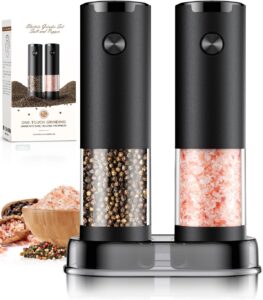
Electric Salt and Pepper Grinder Se…
From the brand ★【𝟱 𝗔𝗱𝗷𝘂𝘀𝘁𝗮𝗯𝗹𝗲 𝗟𝗲𝘃𝗲𝗹𝘀 𝗳𝗼𝗿 𝗣𝗿𝗲𝗰𝗶𝘀𝗲 𝗮𝗻𝗱 𝗘𝘃𝗲𝗻 𝗦𝗲𝗮𝘀𝗼𝗻𝗶𝗻𝗴】You know that moment when flavor…
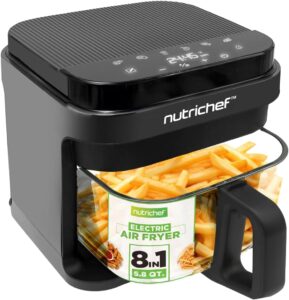
Nutrichef 5.8 Quart Air Fryer | 8-1…
Product description 1 8 PRESET PROGRAMS 2 MONITOR YOUR MEAL 3 NON-STICK PRECISE COOKING RESULTS –…
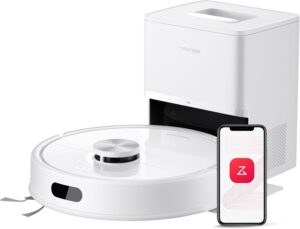
roborock Q7 M5+ Robot Vacuum and Mo…
From the brand Smarter Clean, Lighter Life. 𝟳-𝗪𝗲𝗲𝗸𝘀 𝗛𝗮𝗻𝗱𝘀 𝗙𝗿𝗲𝗲 𝗖𝗹𝗲𝗮𝗻𝗶𝗻𝗴: With a 2.7L sealed dust…
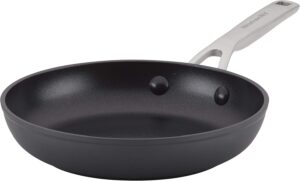
KitchenAid Hard-Anodized Induction …
Take control with even heat and achieve consistent results when cooking with the KitchenAid Hard Anodized…
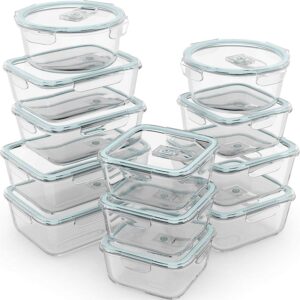
Razab 24 Pc Airtight Glass Food Sto…
From the brand About the Brand Razab is a US-based family-owned business established in 2017 with…
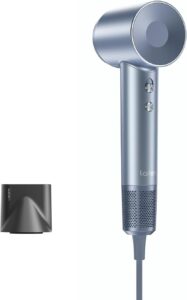
Laifen Swift Professional High-Spee…
Product description 1 Speed Up Your Routine 2 Noise Reduction 3 200M Negative Ions 4 Smart…
Recommended Next Reads
Useful guides selected from topics related to this article.
 Guides
Simple Ways to Stay Active When You Sit Most of the Day
Simple Ways to Stay Active When You Sit Most of the Day Sitting a lot doesn’t have to...
Read Guide
Guides
Simple Ways to Stay Active When You Sit Most of the Day
Simple Ways to Stay Active When You Sit Most of the Day Sitting a lot doesn’t have to...
Read Guide
 Guides
How to Descale a Coffee Maker for Better-Tasting Coffee
How to Descale a Coffee Maker for Better-Tasting Coffee Mineral buildup inside coffee makers—limescale and calcium deposits—quietly robs...
Read Guide
Guides
How to Descale a Coffee Maker for Better-Tasting Coffee
How to Descale a Coffee Maker for Better-Tasting Coffee Mineral buildup inside coffee makers—limescale and calcium deposits—quietly robs...
Read Guide
 Guides
How to Create a Realistic Weekly Workout Routine at Home
How to Create a Realistic Weekly Workout Routine at Home Creating a weekly workout routine that fits your...
Read Guide
Guides
How to Create a Realistic Weekly Workout Routine at Home
How to Create a Realistic Weekly Workout Routine at Home Creating a weekly workout routine that fits your...
Read Guide