

Simple Ways to Stay Active When You Sit Most of the Day
Sitting a lot doesn’t have to mean being inactive. Small changes, done consistently, prevent stiffness, boost focus, and improve energy across the workday. This guide gives practical, no-nonsense strategies you can adopt immediately—no expensive gear or extreme schedules required.
Pick a few tactics that fit your routine and build them into habits. Below are simple, evidence-aligned actions, plus product suggestions where helpful to make implementation easier.
Why movement every 30–60 minutes matters
Long uninterrupted sitting increases stiffness and reduces circulation. Short, frequent movement breaks reset posture, raise heart rate slightly, and help your brain refocus. If you want objective feedback on activity levels and reminders, consider using a tracker like the MorePro Fitness Tracker to set movement goals and monitor progress throughout the day.
Use audio cues and set alarms you’ll follow
Timers work, but auditory prompts are more likely to trigger action. Short guided stretch or mobility cues, a five-minute walk reminder, or a quick podcast chapter can be the nudge you need. Wire-free sound makes it easier to stay mobile—investing in comfortable wireless earbuds means you can listen to guided micro-workouts or take calls without being tied to your desk.
Seated exercises you can do at your desk
You can strengthen and mobilize muscle groups without leaving your chair. Examples: seated leg extensions, glute squeezes, seated marches, heel raises, and shoulder rolls. Adding external resistance increases benefit—compact resistance band sets are inexpensive, portable, and let you add rows, banded leg presses, and lateral walks while seated or standing during a short break.
Create a quick mobility corner
Reserve a small area for five-minute mobility sequences: thoracic rotations, hip openers, hamstring stretches, and calf releases. A comfortable mat reduces friction and invites consistency—something like the Gruper yoga mat gives extra cushioning for brief floor work or standing stretches during breaks.
Short strength bursts to offset sitting
Sitting reduces daily strength stimulus. Two or three short resistance sessions spread through the week prevent muscle loss and improve posture. Keep a compact strength solution nearby—adjustable equipment like adjustable dumbbells let you perform squat-to-press, bent-over rows, and deadlift patterns with minimal storage space. Aim for 8–15 minutes of focused sets 2–4 times weekly if you’re pressed for time.
Fit low-impact cardio into tiny windows
Cardio doesn’t need an hour on a treadmill. Ten minutes of elevated effort several times a day raises overall movement volume. If you have space and want a reliable option for short sessions, compact exercise bikes provide low-impact cardio you can use for 5–20 minute intervals between meetings or tasks.
Recovery and tension relief after long sitting stretches
Even with breaks, you’ll still experience tightness. Simple postures, foam rolling, or targeted percussion can relieve persistent knots. For focused muscle work after a long day at the desk, consumer-grade massage guns are effective at increasing blood flow and reducing perceived stiffness—use them briefly on sore areas rather than as a medical treatment.
Design a workspace that encourages movement
Your environment dictates habits. Place frequently used items slightly out of reach to encourage standing, keep a dedicated water bottle to increase walks to refill, and alternate surfaces to vary posture. A small rollout of supportive yoga mats or thin floor padding creates a more inviting space for stretches and standing work, making movement easier to choose.
Daily micro-routines that stick
Consistency beats intensity for long-term change. Pick three micro-actions—stand for five minutes each hour, do three sets of 10 chair squats at mid-morning, and a two-minute mobility flow before lunch. Logging these small wins helps maintain momentum. If you find music or guided cues boost compliance, pair them with your chosen reminders.
Quick checklist: How to stay active when you sit most of the day
- Set a movement alarm every 30–60 minutes.
- Keep resistance bands or light weights nearby for 2–5 minute sets.
- Create a 3–5 minute morning and afternoon mobility routine on a mat.
- Take 3 short cardio bursts (5–10 minutes) spaced through the day.
- Hydrate and use a tracker or timer to measure movement goals.
- Use percussive tools briefly for recovery when needed.
FAQ
Q: How often should I stand or move?
A: Aim to interrupt sitting every 30–60 minutes with at least a minute of light movement or standing; longer 5–10 minute breaks every few hours add greater benefit.
Q: Will short bursts of exercise actually help?
A: Yes. Frequent short bouts of activity improve circulation, mobility, and energy without requiring long workouts; they compound over the week.
Q: What equipment is worth having at a desk?
A: Low-cost, versatile items—resistance bands, a small mat, and a set of adjustable or light dumbbells—cover mobility, strength, and convenience.
Q: How do I prevent stiffness if I can’t stand often?
A: Focus on seated mobility drills, ankle pumps, neck and shoulder circles, and regular hydration. Use periodic guided sessions to maintain consistency.
Q: Can wearables help me stay active?
A: Yes—wearables that track steps and provide movement reminders help build awareness and adherence to mini-breaks.
Conclusion: Make short moves non-negotiable
Sitting most of the day is common, but it’s manageable. Build tiny, repeatable movement habits—timed breaks, mobility corner, brief strength bursts—and equip your space with a few user-friendly items so movement is the easy choice. Start with one or two changes this week and add more when they stick.
Products Featured in This Article
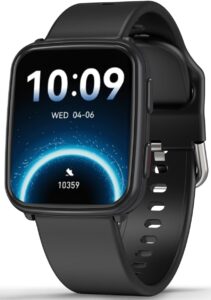
MorePro Fitness Tracker with 24/7 H…
Product description MorePro AIR6 Smart Watch Boost Your Day: Smart Health and Fitness Companion MorePro 24/7…
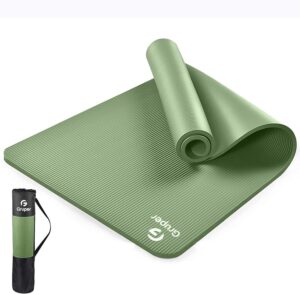
Gruper Yoga Mat Non Slip NBR Extra …
The Gruper yoga mat is made of non-toxic, odorless and harmless NBR material, which is friendly…
Recommended Next Reads
Useful guides selected from topics related to this article.
 Guides
How to Create a Weekly Home Cleaning Routine You Can Maintain
How to Create a Weekly Home Cleaning Routine You Can Maintain Keeping a tidy home doesn’t have to...
Read Guide
Guides
How to Create a Weekly Home Cleaning Routine You Can Maintain
How to Create a Weekly Home Cleaning Routine You Can Maintain Keeping a tidy home doesn’t have to...
Read Guide
 Guides
How to Organize a Small Kitchen Without Losing Counter Space
How to Organize a Small Kitchen Without Losing Counter Space Small kitchens can feel cramped quickly, but thoughtful...
Read Guide
Guides
How to Organize a Small Kitchen Without Losing Counter Space
How to Organize a Small Kitchen Without Losing Counter Space Small kitchens can feel cramped quickly, but thoughtful...
Read Guide
 Guides
How to Clean an Air Fryer and Prevent Grease Buildup
How to Clean an Air Fryer and Prevent Grease Buildup Air fryers are a time-saver and a healthier...
Read Guide
Guides
How to Clean an Air Fryer and Prevent Grease Buildup
How to Clean an Air Fryer and Prevent Grease Buildup Air fryers are a time-saver and a healthier...
Read Guide