
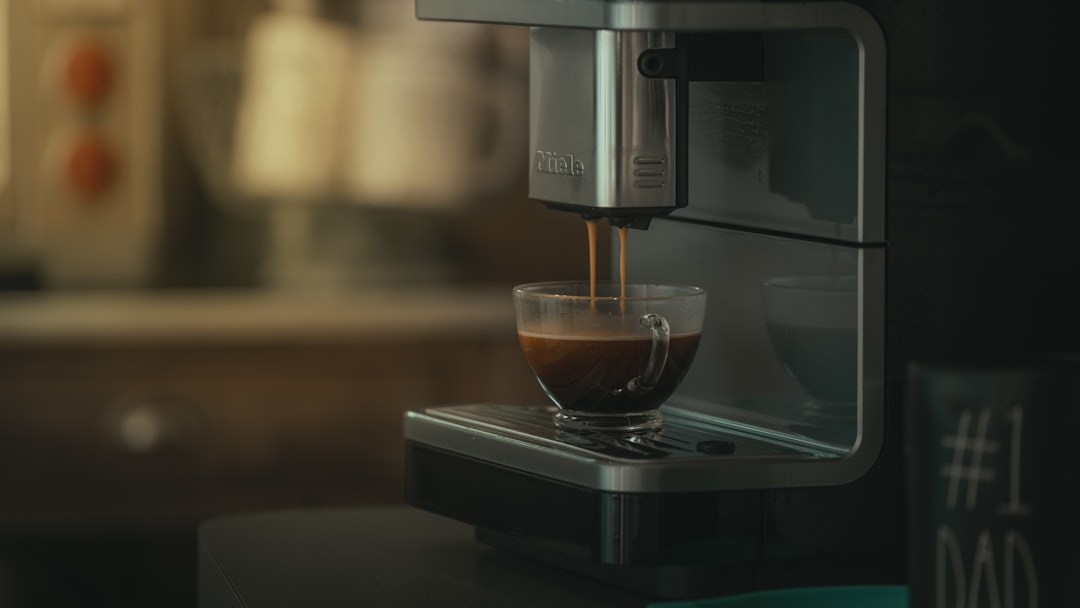
How to Descale a Coffee Maker for Better-Tasting Coffee
Mineral buildup inside coffee makers—limescale and calcium deposits—quietly robs coffee of brightness and aroma. Descaling restores proper flow, consistent temperature, and the clean flavors you expect from each cup.
This guide gives clear, practical steps to descale different types of home coffee makers, plus safety tips and maintenance habits that keep your machine brewing at its best.
Why descaling matters
Hard water deposits change extraction by insulating heating elements and narrowing tubing. The result: uneven brewing temperature, slower brew cycles, and a dull or metallic taste. Regular descaling helps preserve performance, extends the machine’s life, and protects your investment.
How to tell if your coffee maker needs descaling
Watch for these signs: slower fill and brew times, sputtering or noisy pumps, visibly cloudy or gritty water in reservoirs, and a muted or off taste in brewed coffee. If your machine is more than a few months old and you use hard water, plan to descale every 1–3 months.
What you’ll need
- White vinegar or a commercial descaling solution (follow manufacturer recommendations).
- Fresh water for multiple rinses.
- A clean cloth and a soft brush or toothbrush for removable parts.
- A measuring cup and a heat-safe container for catching drained solution.
For machines with built-in grinders, note that moisture can cause clogs—care for grinders similar to how you maintain small kitchen appliances like an electric salt and pepper grinder set, where periodic cleaning prevents jams and ensures consistent output.
Step-by-step descaling process (drip, single-serve, and espresso)
Below is a general process that covers most home machines. Always check your manual first—some manufacturers recommend specific solutions or procedures.
- Empty the machine: remove grounds, empty the carafe, and take out reusable filters. Wipe loose debris from the brew basket.
- Prepare descaling solution: mix equal parts white vinegar and water for a homemade option, or use a commercial descaler to the manufacturer’s ratio.
- Run a descaling cycle: pour the solution into the water reservoir and run a full brew cycle (or follow the espresso descaling program). For single-serve units, run as many cycles as needed to use the solution through the machine.
- Soak removable parts: while the machine runs, soak carafes, filter baskets, and detachable parts in warm soapy water and scrub with a soft brush.
- Rinse thoroughly: run 2–4 full cycles with fresh water to flush out any remaining solution or vinegar smell.
- Test a small brew: discard the first pot or cup after rinsing; taste subsequent brews to ensure no residual flavor remains.
If you prefer following video guides or storing instructions digitally, keep a reference device like a compact tablet handy to follow step-by-step directions in the kitchen—devices such as the TECLAST T65 tablet work well for recipes and maintenance checklists.
Descaling espresso machines and pod brewers (extra care)
Espresso machines and pod brewers have compact plumbing and higher pressure—descaling them affects seals and valves more directly. Use manufacturer-approved descalers, run shorter cycles if recommended, and allow internal components to cool before disassembly. If your espresso machine has a built-in descaling indicator, follow that schedule to maintain pressure and shot quality. If signs of persistent clogging or reduced pressure remain after descaling, seek professional service.
When to descale versus when to replace
If your machine frequently clogs despite regular descaling, or if heating and pump issues persist, consider replacement. Sometimes age-related wear on heating elements and pumps makes further fixes uneconomical. If you’re shopping for a reliable replacement, models like the Ninja Fresh Brew Coffee Maker offer modern features and accessible maintenance parts.
Kitchen maintenance habits that support better coffee
Descaling is part of broader kitchen care. Regularly cleaning counters, removing grounds, and maintaining other appliances keeps flavors pure and prevents cross-contamination. For example, routine cleaning of appliances such as an Nutrichef air fryer or a KitchenAid frying pan keeps the kitchen free of residues that could affect aroma and taste.
Safety and smart tips
Unplug the machine before cleaning removable parts and avoid immersing electrical components. If you like automating kitchen routines, use a smart outlet to control power remotely—this lets you ensure the machine is off when you’re performing rinses or leaving the house. A reliable model to consider for appliance control is the Kasa Outdoor Smart Plug, which also works indoors for heavy-duty appliances.
Cleaning up and storing after descaling
Wipe down the exterior, replace filters, and ensure all parts are dry before reassembly. Clean up drips and spills promptly—granular grounds and sticky residues attract pests and can stain surfaces. A regular household robot vacuum can help keep countertops and floors tidy after coffee prep; for example, automated cleaners like the roborock Q7 M5+ remove stray grounds efficiently.
Storing coffee beans and water to reduce scale
Use filtered or bottled water if your tap is hard to reduce minerals entering the machine. Store beans in airtight containers away from heat, light, and moisture to preserve oils and flavors—options like the Razab airtight glass containers work well for bulk storage at home.
Checklist: Quick descaling reminder
- Check machine manual for recommended descaler and schedule.
- Run a descaling cycle every 1–3 months (frequency depends on water hardness).
- Soak and clean removable parts during descaling.
- Rinse with 2–4 full water cycles to eliminate residue.
- Store beans airtight and consider filtered water to reduce scale.
- Use smart power controls to ensure safety while cleaning.
FAQ
How often should I descale a coffee maker?
Typically every 1–3 months, depending on water hardness and frequency of use.
Can I use vinegar to descale?
Yes—white vinegar diluted 1:1 with water works for many machines, but check your manual since some manufacturers recommend specific commercial descalers.
Will descaling remove coffee oil buildup?
Descaling targets mineral scale, not oily residues. Use soap and a soft brush to clean brew baskets and carafes regularly.
Is descaling safe for all machines?
Follow manufacturer guidance; most home drip and single-serve machines accept vinegar or descaler, but some high-end espresso machines require approved solutions to protect seals and sensors.
What if my machine still tastes off after descaling?
Rinse with several water cycles, replace old filters, and ensure beans are fresh. If problems persist, consider service or replacement.
Does filtered water eliminate the need to descale?
Filtered water reduces mineral buildup but doesn’t eliminate it. You’ll still need periodic descaling, just less frequently.
Conclusion: Practical takeaway
Descaling is a short, routine task that delivers consistently better coffee and extends your machine’s life. Set a calendar reminder, use appropriate cleaners, and pair descaling with regular cleaning and proper bean storage to keep every cup tasting its best.
Products Featured in This Article
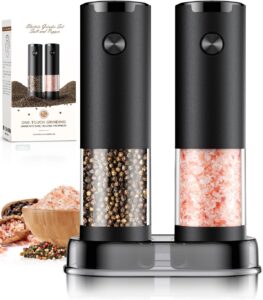
Electric Salt and Pepper Grinder Se…
From the brand ★【𝟱 𝗔𝗱𝗷𝘂𝘀𝘁𝗮𝗯𝗹𝗲 𝗟𝗲𝘃𝗲𝗹𝘀 𝗳𝗼𝗿 𝗣𝗿𝗲𝗰𝗶𝘀𝗲 𝗮𝗻𝗱 𝗘𝘃𝗲𝗻 𝗦𝗲𝗮𝘀𝗼𝗻𝗶𝗻𝗴】You know that moment when flavor…

TECLAST T65 13.4″ Android16 4…
From the brand TECLAST BRAND STORE Providing a pleasant user experience for customers is our main…
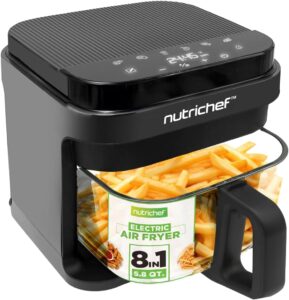
Nutrichef 5.8 Quart Air Fryer | 8-1…
Product description 1 8 PRESET PROGRAMS 2 MONITOR YOUR MEAL 3 NON-STICK PRECISE COOKING RESULTS –…
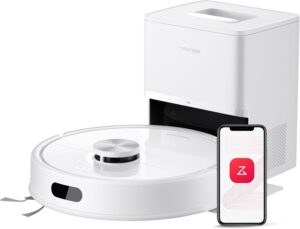
roborock Q7 M5+ Robot Vacuum and Mo…
From the brand Smarter Clean, Lighter Life. 𝟳-𝗪𝗲𝗲𝗸𝘀 𝗛𝗮𝗻𝗱𝘀 𝗙𝗿𝗲𝗲 𝗖𝗹𝗲𝗮𝗻𝗶𝗻𝗴: With a 2.7L sealed dust…
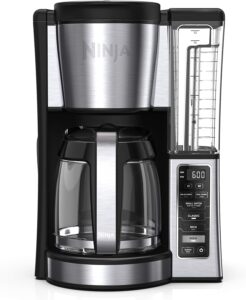
Ninja Fresh Brew Coffee Maker, 12 C…
Ninja Coffee brewer is a 12 Cup programmable Coffee maker with custom brew strengths and a…
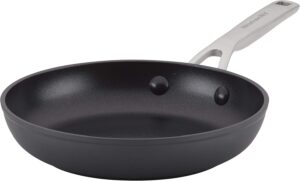
KitchenAid Hard-Anodized Induction …
Take control with even heat and achieve consistent results when cooking with the KitchenAid Hard Anodized…
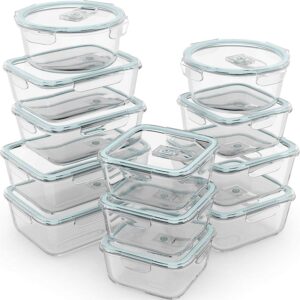
Razab 24 Pc Airtight Glass Food Sto…
From the brand About the Brand Razab is a US-based family-owned business established in 2017 with…
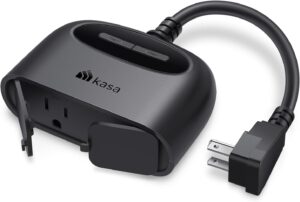
Kasa Outdoor Smart Plug, Smart Home…
Extend your Smart Home to the outdoors with the Kasa Smart Outdoor Plug EP40 with landscape…
Recommended Next Reads
Useful guides selected from topics related to this article.
 Guides
12 Sustainable Weight-Loss Habits You Can Start Today
12 Sustainable Weight-Loss Habits You Can Start Today Weight loss that lasts isn’t about quick fixes — it’s...
Read Guide
Guides
12 Sustainable Weight-Loss Habits You Can Start Today
12 Sustainable Weight-Loss Habits You Can Start Today Weight loss that lasts isn’t about quick fixes — it’s...
Read Guide
 Guides
How to Clean an Air Fryer and Prevent Grease Buildup
How to Clean an Air Fryer and Prevent Grease Buildup Air fryers are a time-saver and a healthier...
Read Guide
Guides
How to Clean an Air Fryer and Prevent Grease Buildup
How to Clean an Air Fryer and Prevent Grease Buildup Air fryers are a time-saver and a healthier...
Read Guide
 Guides
How to Create a Weekly Home Cleaning Routine You Can Maintain
How to Create a Weekly Home Cleaning Routine You Can Maintain Keeping a tidy home doesn’t have to...
Read Guide
Guides
How to Create a Weekly Home Cleaning Routine You Can Maintain
How to Create a Weekly Home Cleaning Routine You Can Maintain Keeping a tidy home doesn’t have to...
Read Guide