Introduction
A weekend camping trip is one of the simplest ways to reset: fresh air, fewer screens, and a clear goal—enjoy nature. With a little planning you can avoid common pitfalls like cold nights, soggy gear, or overpacked cars.
Start with the basics: where you’ll camp, what you’ll sleep in, and how you’ll power your essential devices. If you need shelter options while planning, check out Camping Tents to find a tent that fits your group and conditions.
Choose the Right Campsite & Date
Decide on proximity first—do you want a short drive from home or a longer trip? For a weekend, stick to sites within 2–4 hours to minimize travel stress. Check campground rules, site sizes, availability, and whether the site offers amenities like potable water or toilets.
Consider the season: summer sites fill fast, spring and fall bring temperature swings, and winter requires specialized gear. Look at weather forecasts 48–72 hours before departure and plan a backup day in case heavy storms make camping unsafe.
Shelter & Sleep: Choosing Tent and Bag
Your sleep system determines comfort and safety. Match tent size to group size but add about 10–20% extra floor space for gear. For temperature and comfort, select a sleeping bag rated a few degrees below the expected low temperature.
If you’re buying or comparing options, a good place to start for a suitable sleeping system is the Sleeping Bags category—filter by temperature rating and packed size to match your trip.
Packing: Backpacks and Organization
For overnight car-camping you can bring a duffel or tote, but if hiking to a campsite choose a pack with comfortable straps, hip belt, and 20–40L capacity for a weekend. Organize gear into stuff sacks and keep frequently used items (snacks, map, rain jacket) in an accessible pocket.
To shop or compare practical packs, browse the Hiking Backpacks section—look for hydration compatibility and a rain cover.
Food, Cooking & Water
Plan simple meals with components you can prep ahead: pre-cooked grains, chopped vegetables, and protein that reheats easily. Bring a small stove or plan for campfire cooking where permitted. Pack enough water—1–2 liters per person per day plus extra for cooking and cleaning.
For organized meal storage and transport from home to campsite, consider sturdy containers like the Razab 24 Pc Airtight Glass Food Storage Containers to keep meals fresh and reduce spills.
Electronics, Power & Lighting
Even on a short trip, power matters: a portable charger can keep phones, GPS devices, and lights running. Pick a compact power bank with enough capacity to recharge phones at least once and preferably with multiple outputs and a flashlight mode.
A reliable option to keep devices topped up is a portable charger with built-in cables. It reduces bulk and ensures you don’t forget cables at home.
Camp Comfort & Entertainment
Bring a small source of entertainment for downtime: a compact Bluetooth speaker for group music, or wired activities like cards and a headlamp-lit book. Keep volume respectful to wildlife and other campers.
For rugged outdoor audio, the Bluetooth Speaker listed for outdoor use balances battery life, waterproofing, and sound—use it for campsite playlists or an evening singalong.
If you prefer private listening on hikes, lightweight options are available—see the Wireless Earbuds selection for compact, water-resistant models that won’t take up space in your pack.
Safety, Navigation & Vehicle Prep
Bring a paper map and compass and download offline maps on your phone. A small first-aid kit should include blister care, bandages, antiseptic wipes, and any personal medications. Let someone know your plans and expected return time.
If you’re driving to a remote trailhead, ensure your vehicle battery and tires are in good condition. For peace of mind on longer drives, keep a portable car jump starter in the trunk—compact units can revive a dead battery and get you back on the road quickly.
Checklist
- Tent, footprint, stakes
- Sleeping bag + pad and pillow
- Backpack or duffel with organized stuff sacks
- Portable stove or fire tools, cookware, utensils
- Water (1–2 L per person/day) and purification method
- Portable charger and spare batteries
- Headlamp, flashlight, extra bulbs
- First-aid kit, map/compass, emergency whistle
- Weather-appropriate clothing, rain layer, footwear
- Food in airtight containers and trash bags
Frequently Asked Questions
Q: How early should I arrive at a campground?
A: Arrive during daylight to choose and set up your site; most sites recommend arrival between late morning and early afternoon to settle before dusk.
Q: How do I keep food safe from animals?
A: Use vehicle storage or approved food lockers where available. Store food in airtight containers, hang food if required, and never keep food in your tent.
Q: What if the weather turns bad?
A: Have a waterproof shelter and rain layers. Know the nearest exit routes and consider a backup campsite with better protection. If severe weather is forecast, postpone or relocate.
Q: Can I bring my dog?
A: Check campground rules. Bring a leash, waste bags, water bowl, and a comfortable bed. Keep pets supervised and up-to-date on vaccinations.
Q: How do I avoid overpacking?
A: Prioritize essentials, use a packing list, and lay items out to eliminate duplicates. Multi-use gear reduces bulk—a bandana, for example, can serve many functions.
Conclusion
With thoughtful planning—right shelter, efficient packing, simple meals, and reliable power—you can turn a weekend away into a restful, low-stress experience. Use the checklist, prepare for changing weather, and equip your vehicle for reliability; small steps make big differences in comfort and safety.
Practical takeaway: prioritize shelter, warmth, and power first—then add extras like music and snacks to enhance enjoyment.
Products Featured in This Article
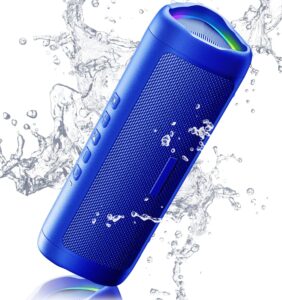
Bluetooth Speaker, 20W HD Sound, Po…
Product description The video showcases the product in use.The video guides you through product setup.The video…
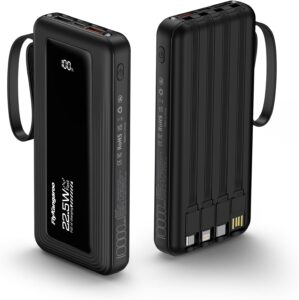
Portable Charger with Built in Cabl…
From the brand 22.5W Fast Charging Compact and Portable Built in Cables Portable Charger with Built-in…
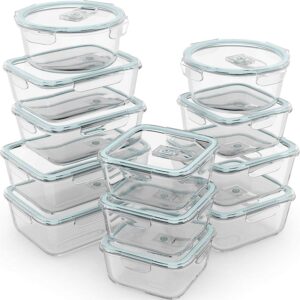
Razab 24 Pc Airtight Glass Food Sto…
From the brand About the Brand Razab is a US-based family-owned business established in 2017 with…
Recommended Next Reads
Useful guides selected from topics related to this article.
 Guides
A Beginner’s Guide to Walking for Fitness and Weight Management
A Beginner’s Guide to Walking for Fitness and Weight Management Walking is one of the simplest, most accessible...
Read Guide
Guides
A Beginner’s Guide to Walking for Fitness and Weight Management
A Beginner’s Guide to Walking for Fitness and Weight Management Walking is one of the simplest, most accessible...
Read Guide
 Guides
How to Organize a Small Kitchen Without Losing Counter Space
How to Organize a Small Kitchen Without Losing Counter Space Small kitchens can feel cramped quickly, but thoughtful...
Read Guide
Guides
How to Organize a Small Kitchen Without Losing Counter Space
How to Organize a Small Kitchen Without Losing Counter Space Small kitchens can feel cramped quickly, but thoughtful...
Read Guide
 Guides
12 Sustainable Weight-Loss Habits You Can Start Today
12 Sustainable Weight-Loss Habits You Can Start Today Weight loss that lasts isn’t about quick fixes — it’s...
Read Guide
Guides
12 Sustainable Weight-Loss Habits You Can Start Today
12 Sustainable Weight-Loss Habits You Can Start Today Weight loss that lasts isn’t about quick fixes — it’s...
Read Guide