
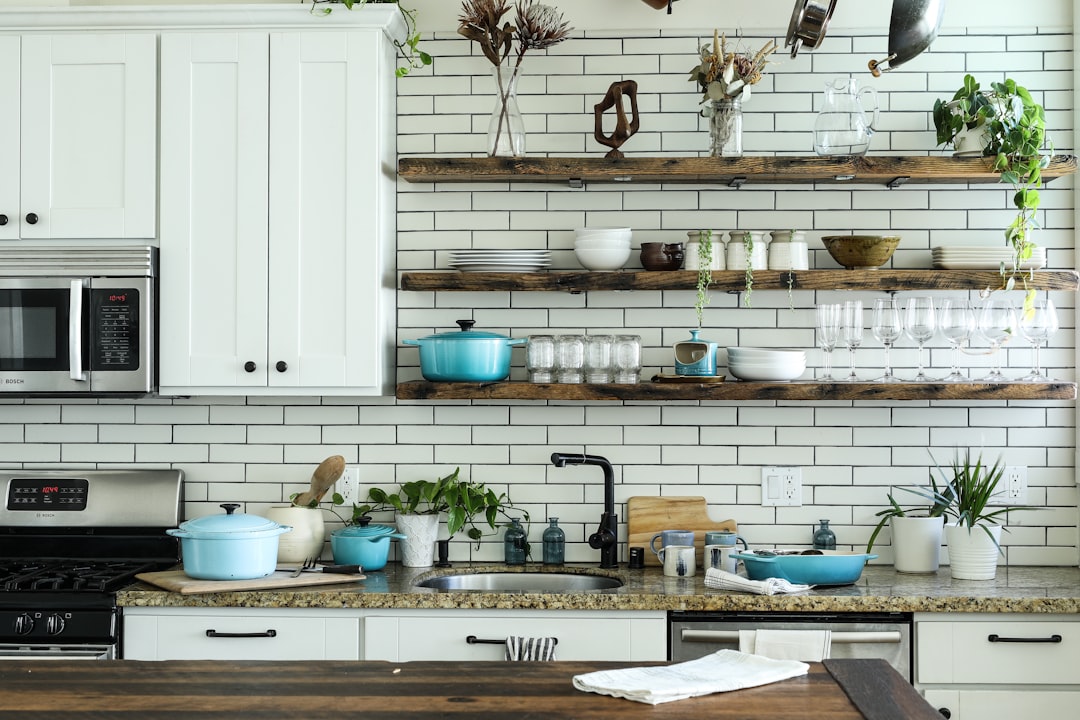
How to Organize a Small Kitchen Without Losing Counter Space
Small kitchens can feel cramped quickly, but thoughtful organization turns limited space into efficient workflow. This guide gives practical strategies you can implement this weekend to free counter space, improve access, and keep cooking enjoyable.
Focus on decluttering, smart storage, and using vertical and hidden spaces. Small changes—like swapping bulky containers for stackable ones or choosing multi-purpose appliances—deliver big wins.
1. Start with a ruthless assessment and declutter
Before buying organizers, take 30–60 minutes to remove everything from your counters and evaluate what you actually use. Keep daily-use items only: coffee setup, soap, a cutting board, and one small appliance if necessary. Donate, recycle, or store the rest.
Sort items into three piles: daily, weekly/monthly, and rarely. If something hasn’t been used in six months and isn’t seasonal, it likely belongs out of the kitchen or in long-term storage.
2. Use vertical space: walls, backs of doors, and ceilings
When counter space is precious, go upward. Install rails, pegboards, or magnetic strips for knives and utensils. Hanging rails above the sink or stove keep tools accessible without occupying prep areas. Use the backs of cabinet doors for spice racks or cutting board storage.
Consider wall-mounted shelves for cookbooks and decorative items so counters stay clear for work. Even a slim rail for pot lids or measuring cups makes a surprising difference.
3. Choose multi-functional appliances
Replace single-use machines with appliances that do more. A compact, multi-function cooker or air fryer can roast, bake, and reheat—reducing the need for several countertop gadgets. Opt for models sized to your household to avoid oversized units that live on the counter permanently.
For example, a compact air fryer can replace a toaster, small oven, or deep fryer for many recipes, freeing counter real estate.
4. Smart food storage: stack, label, and consolidate
Switch to stackable, uniform containers that make the most of cabinet and fridge space. Clear containers let you see contents quickly, reducing the time you spend rummaging on the counter.
Invest in a set of airtight glass containers to store staples and leftovers neatly. Stackable glass containers are oven- and microwave-safe for meal prep and reduce clutter from mismatched boxes and bags. A great option is the airtight glass containers, which save space and keep your pantry organized.
5. Under-cabinet, in-drawer, and over-fridge solutions
Hidden storage is your secret weapon. Pull-out drawers, under-cabinet shelves, and over-fridge baskets reclaim horizontal surfaces. Use shallow drawer organizers for utensils and frequently used tools so the countertop stays clear.
Cookware can be nested to minimize space. Keep daily pans accessible and store less-used skillets higher or in a kitchen cart. Choosing a high-quality nonstick or induction-ready skillet that performs well across tasks reduces how many pans you need; consider an induction frying pan that works on multiple heat sources and nests easily.
6. Keep essentials compact and accessible
Limit countertop items to true essentials: soap, a small cutting board, and your everyday mug or kettle. Use slim, vertical organizers for olive oil and frequently used spices. Replace bulky grinders or pepper mills with slim electric options that can be stored upright in a drawer or mounted under a cabinet.
For example, an electric salt and pepper grinder set is compact and quick to use, cutting down on bulky countertop mills and speeding up prep time.
7. Keep the floor and traffic flow clear
A clear floor improves movement and makes a kitchen feel larger. Avoid storing large items on the floor; instead, use slim rolling carts that tuck under counters or into pantry nooks when not in use. Schedule regular quick cleans so clutter doesn’t return.
A robot vacuum can reduce the time spent sweeping and makes it easier to keep under-cabinet and under-table areas free for storage boxes or slide-out racks. Consider a robot vacuum to automate floor maintenance and protect your tidy layout.
8. Improve lighting and visibility
Good lighting makes a small kitchen feel larger and safer to work in. Under-cabinet lights illuminate prep surfaces and reduce the need to keep a lamp or extra items on the counter. Consider smart bulbs that you can dim and schedule to match tasks and time of day.
Smart lighting systems are affordable and simple to install; for example, reliable smart light bulbs let you boost brightness during prep and soften it afterward, keeping counters functional without extra fixtures.
Quick checklist
- Declutter counters and group items by frequency of use.
- Install vertical storage: rails, pegboards, and wall shelves.
- Replace single-use appliances with multi-function models like a compact air fryer.
- Use stackable, airtight glass containers for pantry and fridge.
- Use under-cabinet hooks and door-mounted racks to hide utensils and lids.
- Keep daily essentials compact—swap bulky mills for electric grinders.
- Use a slim rolling cart for overflow that tucks away when not needed.
- Improve lighting with under-cabinet or smart bulbs for targeted work zones.
FAQ
- How do I choose which appliances to keep on the counter?
Keep only appliances you use daily. If you brew coffee every morning, your coffee maker stays; otherwise store it. Compact multi-use appliances reduce the total number you need—consider a Ninja coffee maker if coffee is daily and space is limited.
- Are glass containers really better than plastic?
Glass is more durable, stackable, and often oven-safe, so it reduces the number of different containers needed and keeps counters and shelves neater.
- What’s the best way to store pots and pans in a small kitchen?
Stack similar-sized cookware, use a pot lid organizer, and hang frequently used pans on a rail. Keep bulky or seldom-used sets in higher cabinets or a nearby closet.
- How can I keep a small kitchen tidy with kids or pets?
Assign a clear counter zone for kid-safe snacks and store pet feeding tools nearby but off counters. Automated cleaning tools can help—robot vacuums reduce daily floor mess and make maintenance easier.
- Can lighting really affect how much counter space I feel I have?
Yes. Bright, focused lighting on work areas reduces visual clutter and helps you use counters more efficiently; dim, uneven lighting makes spaces feel tighter.
Conclusion
Organizing a small kitchen without losing counter space comes down to decluttering, using vertical and hidden storage, choosing multi-purpose appliances, and standardizing containers. Start small: remove non-essentials, add one vertical organizer, and swap mismatched containers for stackable glass ones. For shopping ideas and tools to optimize your space, browse selections at PriceHunterPro.
Practical takeaway: one decluttered counter, one multi-use appliance, and one stackable container set transform daily cooking—make those three changes this week and measure the difference.
Products Featured in This Article
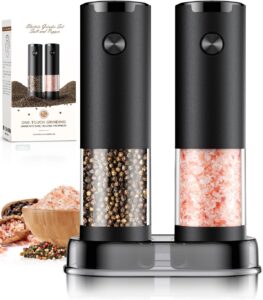
Electric Salt and Pepper Grinder Se…
From the brand ★【𝟱 𝗔𝗱𝗷𝘂𝘀𝘁𝗮𝗯𝗹𝗲 𝗟𝗲𝘃𝗲𝗹𝘀 𝗳𝗼𝗿 𝗣𝗿𝗲𝗰𝗶𝘀𝗲 𝗮𝗻𝗱 𝗘𝘃𝗲𝗻 𝗦𝗲𝗮𝘀𝗼𝗻𝗶𝗻𝗴】You know that moment when flavor…
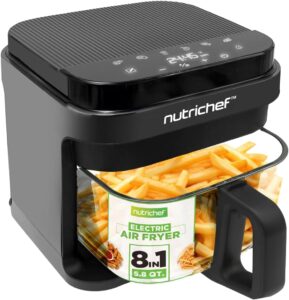
Nutrichef 5.8 Quart Air Fryer | 8-1…
Product description 1 8 PRESET PROGRAMS 2 MONITOR YOUR MEAL 3 NON-STICK PRECISE COOKING RESULTS –…
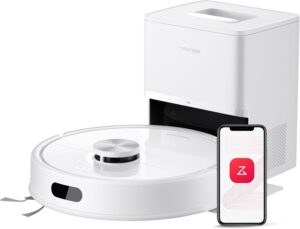
roborock Q7 M5+ Robot Vacuum and Mo…
From the brand Smarter Clean, Lighter Life. 𝟳-𝗪𝗲𝗲𝗸𝘀 𝗛𝗮𝗻𝗱𝘀 𝗙𝗿𝗲𝗲 𝗖𝗹𝗲𝗮𝗻𝗶𝗻𝗴: With a 2.7L sealed dust…
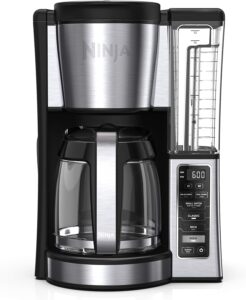
Ninja Fresh Brew Coffee Maker, 12 C…
Ninja Coffee brewer is a 12 Cup programmable Coffee maker with custom brew strengths and a…
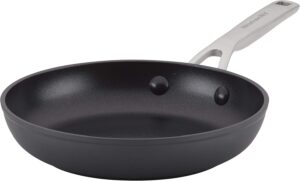
KitchenAid Hard-Anodized Induction …
Take control with even heat and achieve consistent results when cooking with the KitchenAid Hard Anodized…
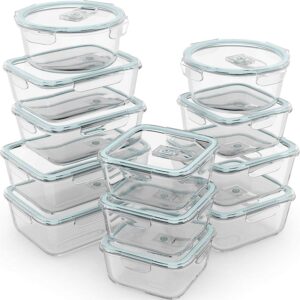
Razab 24 Pc Airtight Glass Food Sto…
From the brand About the Brand Razab is a US-based family-owned business established in 2017 with…
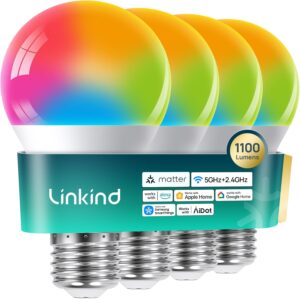
Linkind Matter Smart Light Bulbs 5G…
From the brand Swipe Left to Learn More Linkind Smart Light Stick New Releases Linkind Smart…
Recommended Next Reads
Useful guides selected from topics related to this article.
 Guides
How to Set Up a Comfortable and Organized Gaming Space
How to Set Up a Comfortable and Organized Gaming Space A great gaming space is more than flashy...
Read Guide
Guides
How to Set Up a Comfortable and Organized Gaming Space
How to Set Up a Comfortable and Organized Gaming Space A great gaming space is more than flashy...
Read Guide
 Guides
How to Choose and Organize a Hiking Backpack Properly
How to Choose and Organize a Hiking Backpack Properly Choosing the right backpack and learning how to pack...
Read Guide
Guides
How to Choose and Organize a Hiking Backpack Properly
How to Choose and Organize a Hiking Backpack Properly Choosing the right backpack and learning how to pack...
Read Guide
 Guides
Simple Indoor Enrichment Ideas to Keep Cats Active
Simple Indoor Enrichment Ideas to Keep Cats Active Indoor cats can live long, comfortable lives — but without...
Read Guide
Guides
Simple Indoor Enrichment Ideas to Keep Cats Active
Simple Indoor Enrichment Ideas to Keep Cats Active Indoor cats can live long, comfortable lives — but without...
Read Guide