
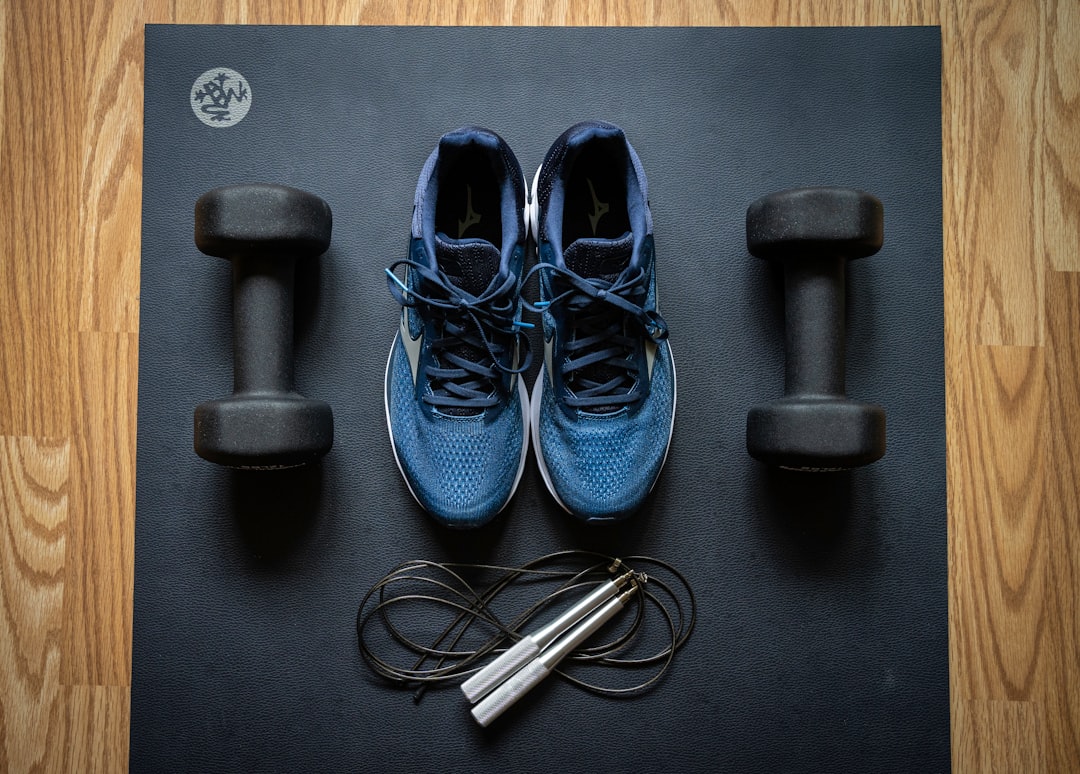
How to Create a Realistic Weekly Workout Routine at Home
Creating a weekly workout routine that fits your life and space is one of the best ways to stay consistent and see results. The goal is sustainability: build a plan you can follow three to six weeks in a row without burning out.
Start with a few clear choices—time, frequency, and one primary focus (strength, cardio, mobility). If you need equipment or ideas, browse options at PriceHunterPro to match your budget and space.
1. Set realistic goals and time commitments
Decide what “realistic” means for you. If you’re busy, aim for three 30–40 minute sessions per week rather than daily hour-long workouts. Define measurable short-term goals (e.g., “work out 3x this week” or “add 5 push-ups to my max in 6 weeks”) that support a longer-term aim like improving endurance or building muscle.
2. Assess your space and must-have gear
Look at the space available—living room corner, balcony, or bedroom—and measure how much cleared floor you can reliably use. For floor workouts and stretching, a good non-slip mat changes comfort and safety; consider a high-quality Yoga Mats option if you need one.
3. Build a balanced weekly structure
A practical, balanced plan includes strength, cardio, and mobility. Here’s a simple template you can adapt:
- Day 1 – Full-body strength (compound lifts/multi-joint moves)
- Day 2 – Low-impact cardio or active recovery (walk, bike, light swim)
- Day 3 – Upper-body strength + mobility
- Day 4 – Rest or yoga/stretching
- Day 5 – Lower-body strength + core
- Day 6 – Higher-intensity cardio or interval training
- Day 7 – Recovery and mobility
For consistent cardio at home, an Exercise Bikes model can give structure and measurable progress if you prefer indoor cycling sessions.
4. Design each workout: warm-up, main set, cool-down
Every session should include a brief dynamic warm-up (5–10 minutes), a focused main set (20–35 minutes), and a short cool-down (5–10 minutes). Example warm-up: light cardio, shoulder circles, hip hinges, bodyweight squats. Main set examples:
- Strength day: 3 rounds of 8–12 reps of squats, push-ups, bent-over rows, and planks.
- HIIT day: 6–8 x 30s work : 30s rest of burpees, mountain climbers, jump squats.
End with mobility drills or foam-rolling. For post-workout relief and faster muscle soreness management, a targeted Massage Guns device can be effective when used sensibly as part of recovery.
5. Equipment options that give the most value
If you want to keep gear minimal but versatile, pick two or three tools that expand your exercise options. Resistance bands and adjustable weights are top choices for small spaces:
- Resistance bands allow progressive overload and variety—look at Resistance Band Sets for travel-friendly strength work.
- Adjustable dumbbells replace multiple fixed weights and save space—consider Adjustable Dumbbells if you want straightforward strength progression.
- If you prefer cardio and structured sessions, an Exercise Bikes model (linked earlier) is a reliable investment.
6. Progression, tracking, and accountability
Progress means consistent, small increases: add reps, add weight, shorten rest, or extend intervals. Track workouts in a simple log: date, exercises, sets, reps, perceived effort. A dedicated fitness tracker makes this easier—devices like the MorePro Fitness Tracker help monitor heart rate, steps, and sleep trends so you can adjust load based on recovery.
7. Recovery, sleep and simple nutrition tips
Recovery is non-negotiable for steady progress. Prioritize 7–9 hours of sleep, hydrate, and include protein across meals to support muscle repair. Use mobility or light movement on rest days. If you want tools for faster muscle relief after tough sessions, a Massage Guns can be used as part of a larger recovery routine—don’t rely on them as the only strategy.
8. Motivation, music, and workout comfort
Music and cadence keep sessions focused. For distraction-free listening, use reliable Wireless Earbuds that fit securely for movement. Pick playlists by workout type: upbeat for intervals, mellow for yoga.
9. Sample beginner-friendly weekly plan (practical)
Below is a sample 4-week starter template designed for 30–45 minute sessions that scale up slightly each week.
- Monday — Full-body strength: 3 circuits (squats, push-ups, rows, planks), 30–40 mins.
- Tuesday — Active recovery: 30 min walk + mobility.
- Wednesday — Upper body + core: dumbbell rows, shoulder presses, hollow holds, 30 mins.
- Thursday — Rest or gentle yoga with focus on hips and thoracic mobility.
- Friday — Lower body strength: lunges, deadlifts (or Romanian with dumbbells), glute bridges, 35–40 mins.
- Saturday — Cardio intervals: 20–25 min HIIT or 30–40 min steady-state on an exercise bike.
- Sunday — Recovery: foam roll, mobility, short walk.
Quick checklist before you start
- Choose days/times you can realistically protect in your calendar.
- Pick one core goal for the next 6 weeks (strength, endurance, flexibility).
- Assemble minimal gear: mat, bands or dumbbells, earbuds, tracker if desired.
- Plan 24–48 hours of recovery between heavy sessions for the same muscle group.
- Track each workout in a notebook or app and review weekly.
FAQ
- How many days per week should I train? Start with 3 sessions if new, 4–5 if you have time and recovery; quality beats quantity.
- Do I need equipment to see progress? No—bodyweight training works—but bands or adjustable dumbbells speed progression and add variety.
- How long until I see results? Expect measurable improvements (strength, stamina) in 4–8 weeks with consistent effort.
- What if I miss workouts? Don’t restart the program—reschedule sessions and aim to get back on track the next available day.
- How do I avoid overtraining? Monitor sleep, energy, and performance; reduce volume or intensity if you feel persistent fatigue or declining workouts.
Conclusion
Make a realistic weekly routine by choosing clear goals, matching time to life, using a small set of versatile tools, and tracking progress; consistency with gradual progression is the fastest path to sustainable results.
Products Featured in This Article
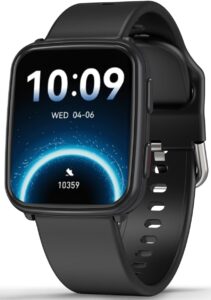
MorePro Fitness Tracker with 24/7 H…
Product description MorePro AIR6 Smart Watch Boost Your Day: Smart Health and Fitness Companion MorePro 24/7…
Recommended Next Reads
Useful guides selected from topics related to this article.
 Guides
How to Introduce a New Pet to Your Home Gradually
How to Introduce a New Pet to Your Home Gradually Bringing a new pet into your home is...
Read Guide
Guides
How to Introduce a New Pet to Your Home Gradually
How to Introduce a New Pet to Your Home Gradually Bringing a new pet into your home is...
Read Guide
 Guides
How to Build a Simple Skincare Routine for Your Skin Type
How to Build a Simple Skincare Routine for Your Skin Type Your skin responds best to consistency, simplicity,...
Read Guide
Guides
How to Build a Simple Skincare Routine for Your Skin Type
How to Build a Simple Skincare Routine for Your Skin Type Your skin responds best to consistency, simplicity,...
Read Guide
 Guides
How to Groom Your Dog at Home Without Causing Stress
How to Groom Your Dog at Home Without Causing Stress Grooming at home can save money and strengthen...
Read Guide
Guides
How to Groom Your Dog at Home Without Causing Stress
How to Groom Your Dog at Home Without Causing Stress Grooming at home can save money and strengthen...
Read Guide