
12 Sustainable Weight-Loss Habits You Can Start Today
Weight loss that lasts isn’t about quick fixes — it’s about sustainable daily habits you can keep for months and years. Small, consistent changes to eating, movement, sleep and mindset add up far more than dramatic short-term diets.
This guide gives 12 practical habits you can adopt today, plus product-based suggestions to support your routine. Pick a few to start, build them into your week, and add more as they become automatic.
1. Start with a modest calorie gap and protein focus
Create a small, maintainable calorie deficit (200–500 kcal/day) rather than drastic restriction. Prioritize protein at each meal—eggs, lean meat, legumes or dairy—to preserve muscle and keep you fuller longer. Preparing protein-first meals is easier when you batch-cook and store portions in reliable containers like Razab 24 Pc Airtight Glass Food Storage Containers, which make grab-and-go portions simple and visible.
2. Cook smarter, not less
Choose cooking methods that make healthy food taste great with little fuss. Roasting, steaming and air-frying reduce added fats while keeping texture and flavor. An appliance like the Nutrichef 5.8 Quart Air Fryer is useful for quick, lower-fat versions of favorites—encouraging consistent meal prep and less takeout.
3. Make movement daily — mix cardio and non-exercise activity
Daily movement doesn’t always mean long workouts. Add walking breaks, take stairs, do short active chores. For focused cardio sessions that fit busy schedules, a home option like Exercise Bikes lets you slot 20–30 minute rides into your day and burn calories consistently without weather or gym constraints.
4. Strength training twice a week preserves muscle and boosts metabolism
Building or preserving muscle is essential for sustainable weight loss. Short, effective strength sessions (20–40 minutes) twice weekly will do more than endless cardio. If you prefer free weights at home, consider Adjustable Dumbbells to progress weight without clutter. For minimal-space or travel-friendly options, Resistance Band Sets provide scalable resistance for squats, rows and presses.
5. Short mobility and floor work make strength sessions sustainable
Pairing strength training with a non-slip surface reduces friction and injury risk. A good mat makes core work and stretching far more accessible; check options like Gruper Yoga Mat for a comfortable base. Short, consistent mobility routines after workouts reduce soreness and help you stick with exercise long-term.
6. Recover intentionally: sleep, stress management and soft tissue care
Recovery is where progress consolidates. Aim for regular sleep windows, reduce late-night stimulants, and manage stress with brisk walks or brief breathing breaks. For targeted muscle relief that speeds return to training, consider a handheld option such as Massage Guns to ease tight spots after tough sessions.
7. Track progress with useful metrics and non-scale goals
Scale weight is one input, not the whole picture. Track strength (weights lifted), energy, sleep quality and how clothes fit. A simple wrist device like the MorePro Fitness Tracker can help monitor steps, sleep and heart rate trends so you adjust behavior based on data rather than daily fluctuations.
8. Build a supportive environment and routine
Make the healthy choice the easy choice: keep water visible, prep meals on one day, and keep workout gear accessible. Reducing friction increases consistency—pack your resistance bands by the door, or keep a short dumbbell circuit programmed and ready. Small environmental tweaks remove excuses and make habits automatic.
Practical habit checklist
- Create a 200–400 kcal daily deficit rather than extreme cuts.
- Include 20–30g protein with main meals; batch-prep into airtight containers.
- Move at least 30 minutes daily; include a 20–30 minute cardio session 2–4x/week.
- Do two short strength sessions weekly with progressive overload (dumbbells/bands).
- Sleep consistently, manage stress with daily short breaks.
- Track non-scale progress: strength, energy, sleep, waist measurements.
FAQ
- How quickly should I expect results? Sustainable results typically appear over weeks to months. Aim for steady changes (0.5–1% body weight per week) and focus on habit consistency.
- Do I need a gym? No. Effective strength and cardio can be done at home with adjustable dumbbells, resistance bands, or a home bike.
- How important is meal prep? Very. Preparing meals reduces decision fatigue and supports consistent calorie and protein targets—use airtight containers to portion meals in advance.
- What if I hate cardio? Increase non-exercise activity (walking, standing, chores) and prioritize high-intensity intervals or short effective sessions on a bike to reduce boredom.
- How do I stay motivated long-term? Focus on process goals (weekly workout count, protein targets) rather than the scale. Tracking progress and celebrating small wins keeps momentum.
Start by choosing two habits from the checklist and committing to them for four weeks. Add another pair after they become routine. Use simple tools—like an air fryer for healthy cooking, a tracker for data, and a few pieces of home equipment—to reduce friction and make the healthier choice the default.
Practical takeaway: prioritize consistency over perfection. Small, repeatable changes—meal prep, two strength sessions, daily movement, regular sleep—create lasting weight loss without extreme measures.
Products Featured in This Article
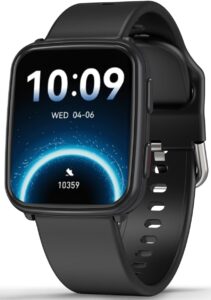
MorePro Fitness Tracker with 24/7 H…
Product description MorePro AIR6 Smart Watch Boost Your Day: Smart Health and Fitness Companion MorePro 24/7…
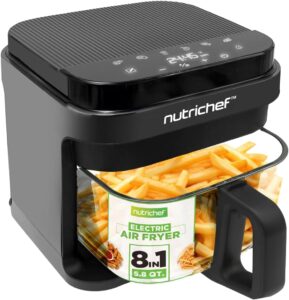
Nutrichef 5.8 Quart Air Fryer | 8-1…
Product description 1 8 PRESET PROGRAMS 2 MONITOR YOUR MEAL 3 NON-STICK PRECISE COOKING RESULTS –…
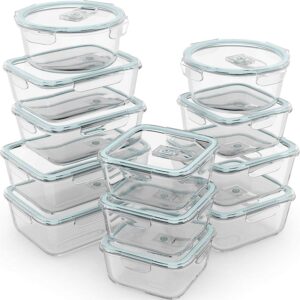
Razab 24 Pc Airtight Glass Food Sto…
From the brand About the Brand Razab is a US-based family-owned business established in 2017 with…
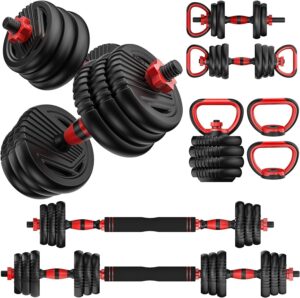
Adjustable Dumbbell set,20/30/45/70…
Product description 1 20Lb 2 30LB 3 45Lb 4 70LB 5 90LB THE BEST FITNESS FOR…
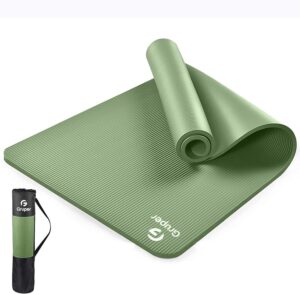
Gruper Yoga Mat Non Slip NBR Extra …
The Gruper yoga mat is made of non-toxic, odorless and harmless NBR material, which is friendly…
Recommended Next Reads
Useful guides selected from topics related to this article.
 Guides
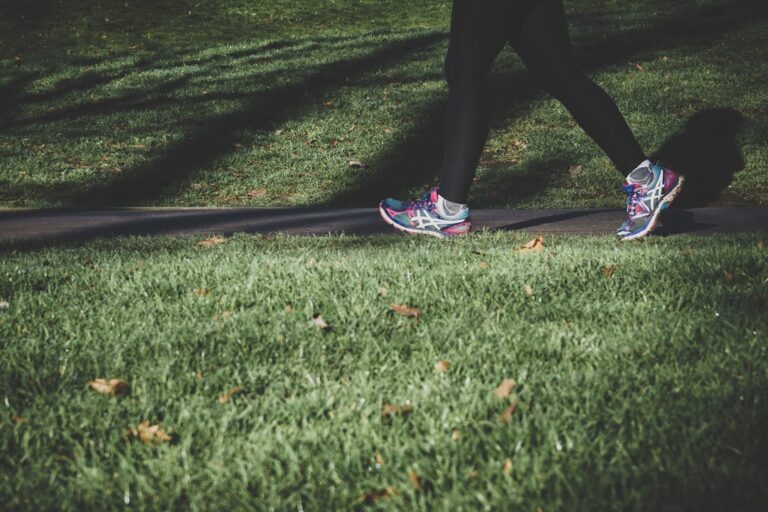
A Beginner’s Guide to Walking for Fitness and Weight Management
A Beginner’s Guide to Walking for Fitness and Weight Management Walking is one of the simplest, most accessible...
Read Guide
Guides
A Beginner’s Guide to Walking for Fitness and Weight Management
A Beginner’s Guide to Walking for Fitness and Weight Management Walking is one of the simplest, most accessible...
Read Guide
 Guides
How to Extend the Battery Life of Your Phone and Laptop
Battery life is one of the most frequent frustrations for phone and laptop users. With a few practical...
Read Guide
Guides
How to Extend the Battery Life of Your Phone and Laptop
Battery life is one of the most frequent frustrations for phone and laptop users. With a few practical...
Read Guide
 Guides
Simple Indoor Enrichment Ideas to Keep Cats Active
Simple Indoor Enrichment Ideas to Keep Cats Active Indoor cats can live long, comfortable lives — but without...
Read Guide
Guides
Simple Indoor Enrichment Ideas to Keep Cats Active
Simple Indoor Enrichment Ideas to Keep Cats Active Indoor cats can live long, comfortable lives — but without...
Read Guide