

How to Build a Simple Skincare Routine for Your Skin Type
Your skin responds best to consistency, simplicity, and products chosen for your specific needs. This guide will help you identify your skin type and build a straightforward, repeatable routine that fits into your morning and evening habits.
If you want to shop or compare tools and categories that support at-home care, check the selection at PriceHunterPro for curated options and product ideas.
1. Identify Your Skin Type
Before choosing products, determine whether your skin is: normal, dry, oily, combination, or sensitive. A quick at-home test: wash your face, wait an hour, and observe. Tightness indicates dryness; shine across the forehead and nose points to oiliness; flaky or red areas suggest sensitivity.
Knowing type guides product choice and frequency—oily skin needs lightweight, non-comedogenic products; dry skin benefits from richer creams and hydrating serums; sensitive skin needs minimal, fragrance-free formulas.
2. The Core Routine: Cleanse → Treat → Moisturize → Protect
Every effective routine uses four core steps:
- Cleansing to remove dirt, oil, and makeup.
- Treatments (serums/actives) targeted to your concerns—acne, pigmentation, dehydration.
- Moisturizing to repair and maintain the skin barrier.
- Sun protection in the morning to prevent damage and aging.
Keep the product count small: one cleanser, one treatment (AM or PM depending), one moisturizer, and a sunscreen for daytime.
3. Cleansing: How and What to Use
Choose a gentle cleanser matched to your skin type. Gel or foaming cleansers suit oily skin; cream or milky cleansers are better for dry or sensitive skin. Avoid over-scrubbing—two gentle cleanses per day is enough for most people.
If you want a reliable tool for deeper but gentle daily cleansing, consider adding a mechanical brush to your routine. Browse the curated Facial Cleansing Brushes category for devices with soft silicone heads and adjustable speeds to avoid over-exfoliation.
4. Treatments: One or Two Focused Actives
Select actives based on your goals:
- Acne: benzoyl peroxide or salicylic acid (spot or leaving-on formulas).
- Texture/pigmentation: low-strength AHAs (glycolic, lactic) or vitamin C in the morning.
- Dehydration: hyaluronic acid serums layered under moisturizer.
Introduce one active at a time, use it consistently for 4–6 weeks to assess results, and patch-test if you have sensitive skin.
5. Moisturizing and Barrier Repair
Moisturizers should restore lipids and prevent transepidermal water loss. For dry skin pick richer creams containing ceramides and fatty acids. For oily skin select lightweight, oil-free gels. If your skin gets red or irritated, switch to fragrance-free formulations.
Nighttime is best for barrier repair—apply heavier creams or occlusives over serums to seal in hydration.
6. Sun Protection: Non-Negotiable
Daily sunscreen is the single most effective preventive step. Use broad-spectrum SPF 30+ every morning and reapply when outdoors. If sunscreen causes breakouts, try mineral formulas or lightweight gel sunscreens designed for oily/combination skin.
7. Lifestyle Factors That Improve Skin
Skincare is magnified by healthy habits: sleep, hydration, diet, stress management, and movement. Exercise increases circulation and helps skin glow—choose routines you’ll stick with. A simple option is at-home workouts on a good mat; check options like Yoga Mats to create a comfortable space for daily movement.
Resistance training supports hormonal balance and tone; beginner-friendly gear like Resistance Band Sets are low-cost, low-impact tools to start daily strength work without a gym.
After workouts, use recovery tools to reduce soreness and improve circulation—regular use of Massage Guns can aid recovery, reduce stress, and indirectly support skin health by improving sleep and lowering inflammation.
8. Tools and Extras: What’s Worth Adding
Keep extras minimal and purposeful. A soft facial brush can improve cleansing when used correctly; look for a reliable option such as a handheld brush with multiple heads—the Facial Cleansing Brush model offers adjustable speeds and multiple heads so you can tune intensity to skin sensitivity.
Hair and face interact—hot styling tools and aggressive towel-drying can irritate the face and scalp. Use lower-heat hair tools and gentle drying. For efficient, less damaging drying, consider a modern dryer like the Laifen Swift Professional High-Speed Hair Dryer, which reduces styling time and heat exposure.
Oral health affects skin around the mouth and jaw; a consistent brushing routine helps reduce localized irritation. If you want electric brushing for better plaque control, review options in the Electric Toothbrushes category.
Quick Checklist
- Morning: gentle cleanse → antioxidant serum (optional) → moisturizer → sunscreen.
- Evening: remove makeup → cleanse → targeted treatment (retinoid/AHA/BHA or hydrating serum) → moisturizer.
- Introduce one active at a time; patch-test new actives.
- Exercise regularly and sleep 7–8 hours to support skin renewal.
- Use tools (facial brush, massage gun) sparingly and correctly to avoid irritation.
FAQ
How often should I exfoliate?
For most skin types, 1–3 times per week with low-strength AHAs/BHAs; sensitive skin should start once weekly.
Do I need different routines for morning and night?
Yes. Morning focuses on protection (antioxidants + sunscreen); night focuses on repair (retinoids, deeper hydration).
Can I use active ingredients together?
Some combinations are fine (hyaluronic acid with most actives). Avoid layering strong retinoids with high-strength AHAs/BHAs on the same night to reduce irritation.
What if my skin reacts to a new product?
Stop use, simplify to a gentle cleanser and moisturizer, and reintroduce products one at a time. Seek professional advice if severe or persistent reactions occur.
How long before I see results?
Expect initial improvements (hydration, glow) within 1–2 weeks; measurable changes in texture or pigmentation often take 6–12 weeks of consistent use.
Conclusion
Build a simple routine based on your skin type, stick to core steps—cleanse, treat, moisturize, protect—and add one targeted active at a time. Pair your skincare with consistent sleep, movement, and gentle tools to get reliable results. Start small, track progress, and adjust based on how your skin responds.
Products Featured in This Article

Laifen Swift Professional High-Spee…
Product description 1 Speed Up Your Routine 2 Noise Reduction 3 200M Negative Ions 4 Smart…
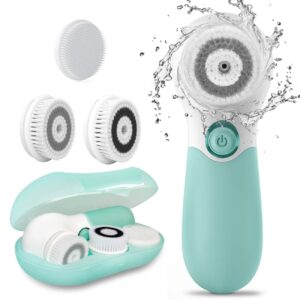
Facial Cleansing Brush Electric Fac…
Product description Secret to Looking Young Exfoliation is the key to revealing a youthful and radiant…
Recommended Next Reads
Useful guides selected from topics related to this article.
 Guides
The Correct Order to Apply Skincare Products Morning and Night
The correct order to apply skincare products — morning and night Getting visible results from skincare depends as...
Read Guide
Guides
The Correct Order to Apply Skincare Products Morning and Night
The correct order to apply skincare products — morning and night Getting visible results from skincare depends as...
Read Guide
 Guides
How to Create a Realistic Weekly Workout Routine at Home
How to Create a Realistic Weekly Workout Routine at Home Creating a weekly workout routine that fits your...
Read Guide
Guides
How to Create a Realistic Weekly Workout Routine at Home
How to Create a Realistic Weekly Workout Routine at Home Creating a weekly workout routine that fits your...
Read Guide
 Guides
10 Everyday Habits That Help Keep Your Skin Healthy
10 Everyday Habits That Help Keep Your Skin Healthy Healthy skin is less about miracle products and more...
Read Guide
Guides
10 Everyday Habits That Help Keep Your Skin Healthy
10 Everyday Habits That Help Keep Your Skin Healthy Healthy skin is less about miracle products and more...
Read Guide