

How to Introduce a New Pet to Your Home Gradually
Bringing a new pet into your home is exciting, but rushed introductions can create stress, fear, or behavior problems for both the newcomer and existing animals. A slow, structured approach gives everyone time to adjust and reduces the chance of setbacks.
This guide gives step-by-step, practical strategies you can apply from day one: preparing the space, building routines, supervising interactions, and using the right gear to make the transition smoother.
Why gradual introductions matter
Pets interpret quick changes as threats. Gradual introductions let them process new smells, sounds, and routines without feeling overwhelmed. That improves bonding, lowers anxiety-related behaviors (hiding, aggression, house-soiling), and helps training stick.
Prepare the home and exchange scents first
Before any face-to-face meetings, set up distinct safe zones and let animals learn each other’s scent. Put bedding, toys, or a towel with the newcomer’s scent near your resident pet, and vice versa. Also make sure each pet has an inviting resting spot—soft, low-traffic places where they can retreat and feel secure. Consider adding a dedicated sleeping area such as a Dog Beds option to give your new dog a predictable, comfortable base.
Start with controlled, separate spaces
For the first 48–72 hours, keep your new pet in a separate room with food, water, bedding, and enrichment. This containment reduces stress and lets them acclimate to household sounds and smells at their own pace. To maintain consistent feeding times while you’re busy with introductions, an Automatic Pet Feeders can help you deliver meals reliably and reduce human-driven food guarding or irregular schedules.
Short, supervised visual introductions
Once scent exchange feels calm, allow brief visual meetings: cracked-doors, baby gates, or carriers make this safe. Keep sessions short (5–10 minutes) and positive—treats and calm praise for both animals. Watch body language closely: loose posture and sniffing are good; flattened ears, growling, or stiff staring mean you should separate and try again later. Provide additional hydration stations in separate areas—multiple water sources reduce competition; a Pet Water Fountains can encourage drinking and reduce resource tension.
Use vertical and escape options for cats and shy pets
Cats and timid pets feel safer with vertical territory or elevated perches. Adding high places gives them control over the interaction and reduces confrontations. If you have a cat or are introducing one to a dog, install a Cat Trees or similar perches so your cat can monitor the new animal from above and retreat when needed.
Grooming, handling, and tactile calm
Regular, gentle handling helps a new pet accept touch and builds trust. Start with short sessions and reward calm behavior. Basic grooming—brushing, cleaning eyes or ears—becomes part of normal care and socializes them to human touch. Keep a beginner kit on hand; a professional-style Dog Grooming Kits makes grooming less stressful and more efficient for both of you.
Practical tools: clippers and calm introductions
For pets with thick coats or nervousness around grooming, a quiet cordless clipper helps trim mats and keep them comfortable without frequent salon visits. If you plan to manage basic trims at home, consider a reliable model designed for pets to reduce noise and pull—tools like the oneisall Dog Clippers for Grooming can be helpful when introduced slowly and paired with treats and short sessions.
Remote supervision and safety
If you need to step away but want to keep an eye on progress, set up a home camera to watch interactions and behavior when you’re not in the same room. Indoor cameras with motion alerts and two-way audio let you intervene verbally and monitor safety. A device such as the TP-Link Tapo 1080P Indoor Security Camera is useful for checking on new pets, spotting stress signs early, and ensuring everyone is safe when transitions happen.
Cleaning and home maintenance during the transition
New pets can mean more shedding, accidents, and tracked-in dirt. Frequent vacuuming and spot cleaning reduces scent markers and creates a neutral environment for introductions. Consider a robot vacuum that specializes in pet hair and self-emptying features to keep floors clean with minimal effort—models like the roborock Q7 M5+ Robot Vacuum and Mop can save time and reduce stress for both you and your pets.
Checklist: Steps to introduce a new pet gradually
- Prepare a separate room with bed, water, food, and litter/pee pads.
- Exchange scents using bedding or towels for several days.
- Provide predictable feeding times; use an automatic feeder if needed.
- Start short, supervised visual contact via gate or crate.
- Offer escape routes and vertical space for shy or smaller pets.
- Use calm grooming sessions to build trust; introduce tools slowly.
- Monitor remotely with cameras when you can’t be physically present.
- Keep the home clean of strong scents and hair with a regular vacuum routine.
FAQ
- How long should I keep pets separated?
Keep them separated for at least 48–72 hours to allow scent and routine acclimation, then progress based on calm behavior—sometimes longer is needed.
- What signs mean introductions are going well?
Relaxed posture, mutual sniffing without growling, eating in the presence of each other, and normal elimination patterns are good signs.
- When should I stop attempting supervised meetings?
If serious aggression occurs (bites drawing blood, pinned animals, repeated fights), separate immediately and consult a trainer or behaviorist before trying again.
- Can grooming reduce anxiety?
Yes—gentle, regular grooming can be calming if introduced slowly and paired with positive rewards; avoid forcing long sessions initially.
- Is it okay to use cameras to scold pets remotely?
Remote scolding can confuse pets; use cameras mainly to observe and, if necessary, intervene with brief calm verbal cues—save corrective training for in-person sessions.
Conclusion
Introduce a new pet gradually by preparing separate spaces, exchanging scents, building routines, and supervising short interactions. Use practical tools—comfortable beds, feeders, vertical spaces, grooming kits, cameras, and cleaning gear—to reduce stress and make the process predictable. The practical takeaway: slow, consistent steps and careful observation create the best foundation for a peaceful, long-term relationship between your pets.
Products Featured in This Article

oneisall Dog Clippers for Grooming …
Product description The video showcases the product in use.The video guides you through product setup.The video…

roborock Q7 M5+ Robot Vacuum and Mo…
From the brand Smarter Clean, Lighter Life. 𝟳-𝗪𝗲𝗲𝗸𝘀 𝗛𝗮𝗻𝗱𝘀 𝗙𝗿𝗲𝗲 𝗖𝗹𝗲𝗮𝗻𝗶𝗻𝗴: With a 2.7L sealed dust…

TP-Link Tapo 1080P Indoor Security …
Protect your home with the Tapo C100 smart indoor security camera Wi-Fi. Featuring crystal-clear 1080P high-definition…
Recommended Next Reads
Useful guides selected from topics related to this article.
 Guides
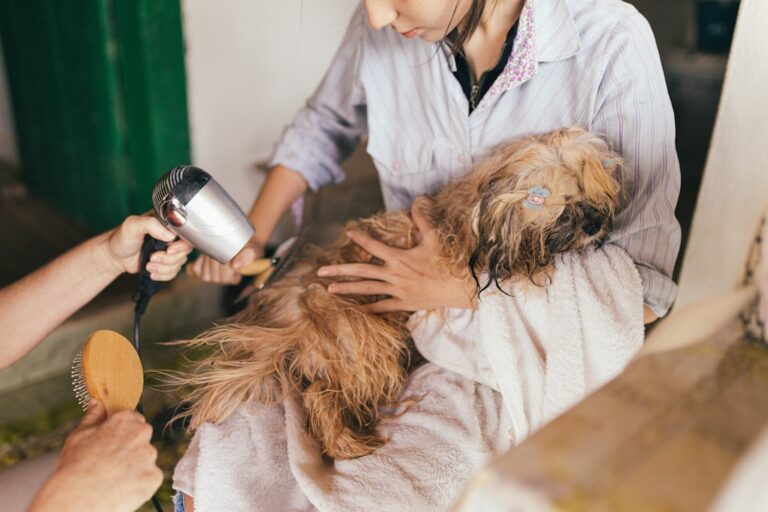
How to Groom Your Dog at Home Without Causing Stress
How to Groom Your Dog at Home Without Causing Stress Grooming at home can save money and strengthen...
Read Guide
Guides
How to Groom Your Dog at Home Without Causing Stress
How to Groom Your Dog at Home Without Causing Stress Grooming at home can save money and strengthen...
Read Guide
 Guides
How to Create a Realistic Weekly Workout Routine at Home
How to Create a Realistic Weekly Workout Routine at Home Creating a weekly workout routine that fits your...
Read Guide
Guides
How to Create a Realistic Weekly Workout Routine at Home
How to Create a Realistic Weekly Workout Routine at Home Creating a weekly workout routine that fits your...
Read Guide
 Guides
How to Improve Wi-Fi Coverage Throughout Your Home
How to Improve Wi‑Fi Coverage Throughout Your Home Slow or patchy Wi‑Fi is one of the most common...
Read Guide
Guides
How to Improve Wi-Fi Coverage Throughout Your Home
How to Improve Wi‑Fi Coverage Throughout Your Home Slow or patchy Wi‑Fi is one of the most common...
Read Guide