
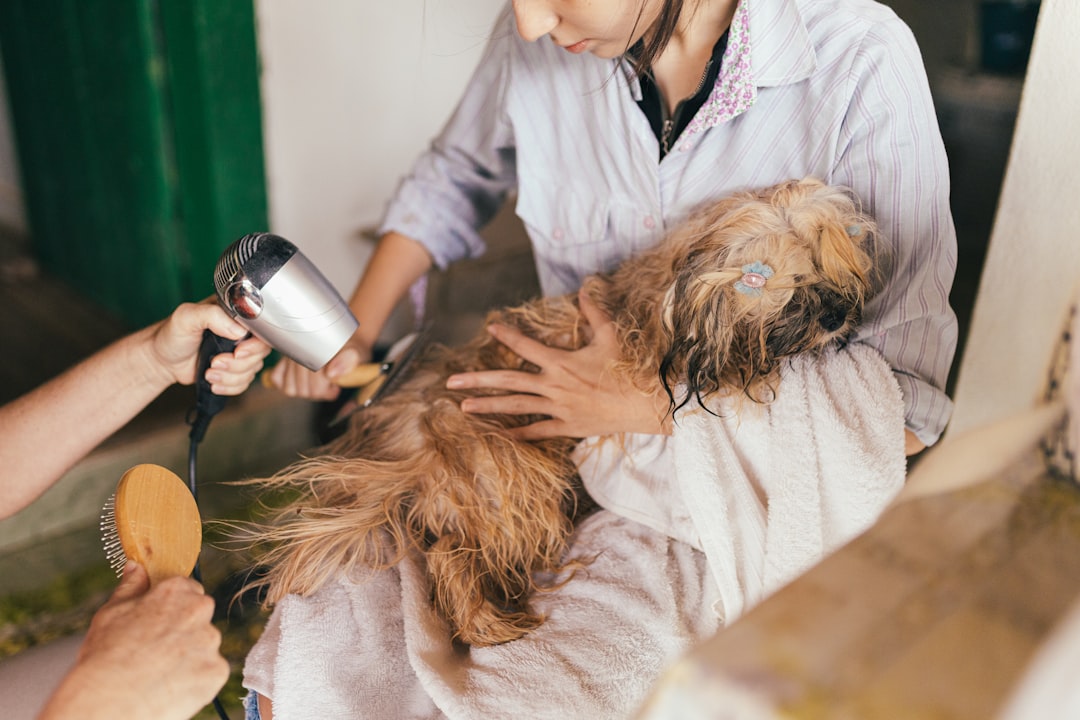
How to Groom Your Dog at Home Without Causing Stress
Grooming at home can save money and strengthen your bond with your dog, but it can also be a source of anxiety for both of you if done without a plan. The goal is to make grooming predictable, calm, and efficient—so your dog learns to trust the process and you enjoy better results.
Small adjustments to timing, tools, and atmosphere make a big difference. Before you start, consider setting up a comfortable spot and having soothing audio or music ready through reliable gear like a pair of Wireless Earbuds so you can keep the mood steady and your hands free.
1. Prepare the space and schedule
Choose a quiet, familiar area with non-slip flooring and minimal foot traffic. A favorite resting place or a stable elevated table works well. If your dog already has a preferred spot, place their blanket or bed there so the setting feels safe—consider keeping a dedicated Dog Beds nearby to recreate that safe spot during grooming.
2. Choose the right tools
Good tools shorten sessions and reduce fidgeting. For basic home grooming, you’ll need a slicker brush, undercoat rake (if applicable), comb, nail clippers, and a gentle shampoo. Pre-assembled options can simplify choice—browse a starter selection of Dog Grooming Kits to find kits matched to coat type.
3. Set the mood: calm signals and sensory cues
Dogs are sensitive to tone and movement. Keep your voice low and your movements slow. Ambient sound helps many dogs relax—try playing steady, low-volume music through a small, clear speaker like the Bluetooth Speaker so you don’t have to hold a device while you work.
4. Step-by-step grooming routine (short, consistent sessions)
Keep sessions short—5 to 15 minutes depending on your dog’s tolerance—and aim for consistency so your dog learns what to expect. A sample routine:
- Inspect and gentle petting to start and end the session.
- Brush to remove tangles and loose hair.
- Target small areas for clipping or trimming—if you’re trimming coat, use a reliable clipper such as the oneisall Dog Clippers, which are designed for quiet, efficient trimming.
- Finish with a treat and calm praise.
Always pause if your dog shows clear signs of stress (panting, trembling, yawning, trying to escape). End on a positive note and try again later.
5. Bathing tips without the meltdown
Most dogs prefer gradual introduction to water. Start by teasing out rewards near the bathing area, then introduce shallow water and let them explore. Use lukewarm water and a mild, dog-safe shampoo. Avoid water directly into eyes and ears; support the head and speak softly.
Timing meals around grooming lowers anxiety for food-motivated dogs—if you use an Automatic Pet Feeder, schedule feeding times so your dog isn’t hungry or on a full stomach during a long grooming session.
6. Nail trimming, ear cleaning, and sensitive areas
Sensitive tasks require patience. Desensitize by touching paws and ears daily outside grooming times, pairing touch with treats. Trim nails in small increments: hold a paw, press the pad to expose the nail, and clip one or two quick sections at a time.
For ear care, use vet-recommended solutions and cotton—never insert anything deep into the canal. If your dog resists, stop and retrain the step separately over several days.
7. Handling anxious or reactive dogs
Break sessions into tiny, predictable steps and reward every calm moment. If your dog becomes tense, take breaks, give a gentle massage, or offer a chew toy as distraction. For dogs that benefit from constant access to water as a calming resource after grooming, consider a pet-friendly option like a Pet Water Fountains to encourage fluid intake and comfort.
8. Aftercare and maintaining progress
After grooming, give your dog extra praise, a short play session, or a calm treat. Keep grooming records (what worked, what didn’t) so you can refine the approach. Grooming can be physically tiring for you as well—if you find your hands and shoulders sore after repeated sessions, a small percussion device such as the N1 Super Mini Massage Gun can help with muscle recovery between sessions.
Checklist: Quick prep before each session
- Brush and detangle coat—no mats before clipping.
- Gather tools: brush, comb, clippers, nail trimmers, treats, towel.
- Choose a calm time—after a walk or light play to reduce excess energy.
- Set up non-slip surface and comfortable bedding nearby.
- Have a short playlist or use earbuds/speaker to keep sound steady.
- Plan for short sessions; stop while it’s still mostly positive.
FAQ
- How often should I groom my dog at home? Frequency depends on coat type: short-haired dogs may need weekly brushing; long or double coats often need daily or several times weekly attention, with full baths every 4–12 weeks depending on activity and skin condition.
- My dog hates the clippers—what can I do? Desensitize slowly: leave clippers near their bed, let them smell them, then turn them on at a distance and reward calm behavior. Gradually bring the clippers closer over multiple sessions before attempting a trim.
- Can I trim my dog’s nails myself? Yes, with proper training and the right clippers. Start by handling paws often and trimming tiny amounts. If your dog has dark nails or is very sensitive, ask a groomer or vet for a demonstration.
- What if my dog has mats? For small mats, use a detangling spray and work carefully with a mat splitter or your comb. Severe mats near the skin may require clipping—avoid forcing a brush through tight tangles to prevent pain.
- When should I see a professional groomer? If your dog has severe matting, behavior that makes grooming unsafe, or needs breed-specific styling you’re not comfortable with, consult a professional groomer or your vet.
Conclusion
Stress-free home grooming is built on preparation, the right tools, consistent short sessions, and a calm environment. Start slow, reward calm behavior, and adapt your approach to your dog’s pace. With patience and a few smart tools, grooming becomes a predictable, even enjoyable, part of your routine—for both of you.
Products Featured in This Article
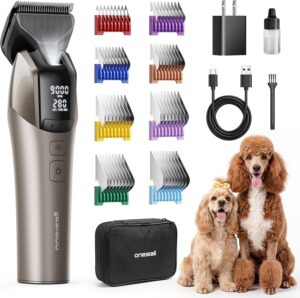
oneisall Dog Clippers for Grooming …
Product description The video showcases the product in use.The video guides you through product setup.The video…

Bluetooth Speaker, 20W HD Sound, Po…
Product description The video showcases the product in use.The video guides you through product setup.The video…
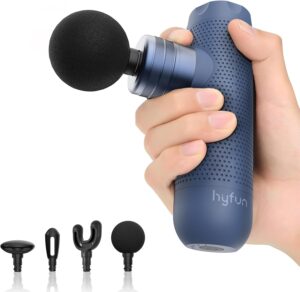
N1 Super Mini Massage Gun, Ultra-Co…
Product description Product Dimensions : 2.8 x 1.6 x 5.6 inches; 1.15 pounds Item…
Recommended Next Reads
Useful guides selected from topics related to this article.
 Guides
How to Create a Weekly Home Cleaning Routine You Can Maintain
How to Create a Weekly Home Cleaning Routine You Can Maintain Keeping a tidy home doesn’t have to...
Read Guide
Guides
How to Create a Weekly Home Cleaning Routine You Can Maintain
How to Create a Weekly Home Cleaning Routine You Can Maintain Keeping a tidy home doesn’t have to...
Read Guide
 Guides
How to Create a Realistic Weekly Workout Routine at Home
How to Create a Realistic Weekly Workout Routine at Home Creating a weekly workout routine that fits your...
Read Guide
Guides
How to Create a Realistic Weekly Workout Routine at Home
How to Create a Realistic Weekly Workout Routine at Home Creating a weekly workout routine that fits your...
Read Guide
 Guides
How to Improve Wi-Fi Coverage Throughout Your Home
How to Improve Wi‑Fi Coverage Throughout Your Home Slow or patchy Wi‑Fi is one of the most common...
Read Guide
Guides
How to Improve Wi-Fi Coverage Throughout Your Home
How to Improve Wi‑Fi Coverage Throughout Your Home Slow or patchy Wi‑Fi is one of the most common...
Read Guide