
How to Choose and Organize a Hiking Backpack Properly
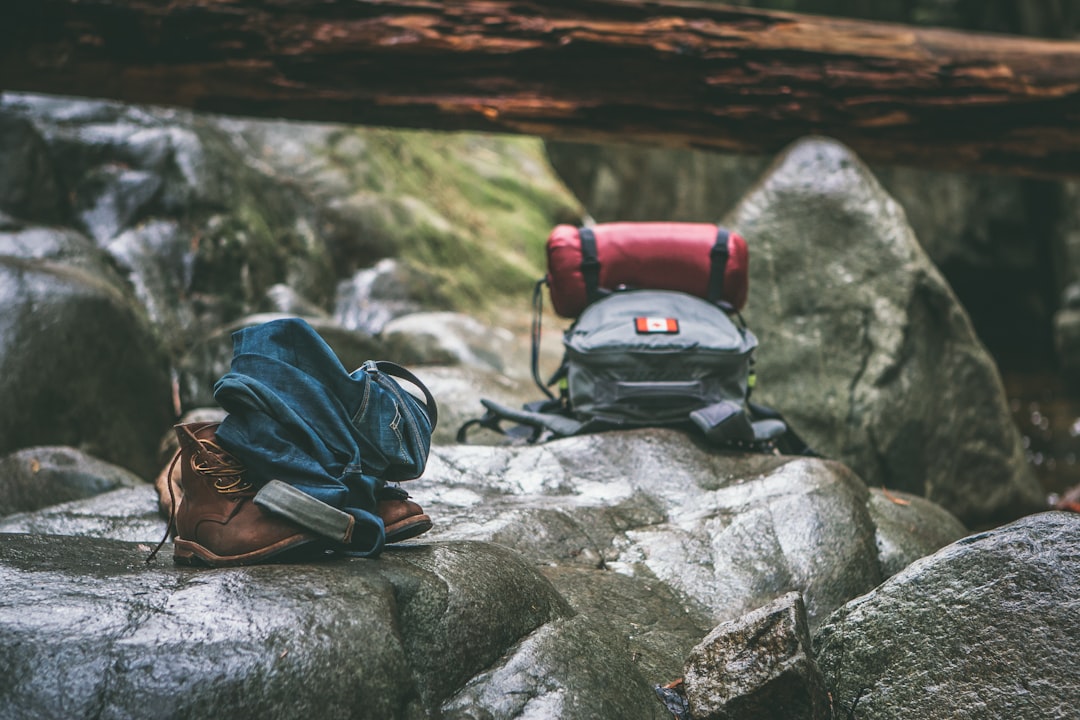
Choosing the right backpack and learning how to pack it efficiently are two of the most practical skills a hiker can master. The right pack keeps you comfortable, protects your gear, and makes every mile more enjoyable. The wrong pack wastes energy and can turn a good day into a slog.
This guide walks you through selecting capacity, fit, materials, and smart organization strategies so you carry only what you need and find it quickly when you do. Practical tips, checklists, and a short FAQ help you prepare for day hikes up to multi-night trips.
Choose the right capacity for your trip
Start by matching pack volume to the type and length of hike. Daypacks (15–30L) fit a jacket, water, snacks, and first-aid. Overnight packs (30–50L) work for minimalist one- or two-night trips. Extended or gear-heavy trips require 50–75+L. If you’re shopping, compare models that match the intended use category and consider specialized features (hydration sleeve, hip-belt pockets, sleeping-bag compartment).
Look at the dedicated options in the store category for a quick comparison: Hiking Backpacks.
Fit and comfort: how to test a pack
Fit is more important than features. Measure your torso length (C7 to the top of the hip bones) and pick a pack that offers adjustable torso length. Hip belts should wrap around the hips, not the waist, transferring 60–80% of the load off your shoulders.
Try a pack loaded with 10–15 lb to feel the distribution; walk, bend, and climb stairs to check for pressure points. Wide, padded shoulder straps and a well-shaped hip belt reduce hot spots. A ventilated back panel improves airflow on hot days. If rental or in-store trials are available, use them before you buy.
Sleep system and shelter pairing
If your hikes include overnight stays, plan the sleep system alongside the pack. A bulky sleeping bag or insulated pad can define how much space you need and how you organize the base of the pack. Compressible down bags pack small, synthetic bags perform better in damp conditions, and quilt systems work if you accept trade-offs in warmth and coverage.
For matching gear like tents and bags when planning a multi-night setup, check compatible camping gear and sleeping systems such as Sleeping Bags to estimate volumes and weight before selecting a pack.
Materials and features to prioritize
Choose durable, weather-resistant materials (e.g., ripstop nylon, TPU-coated fabric). Critical features to prioritize:
- Hydration sleeve and port for a water bladder
- Hip-belt pockets for snacks and small items
- Top lid or stretch front pocket for quick-access gear
- Compression straps to stabilize load
- Attachment points for trekking poles or ice tools
Rain covers or integrated waterproofing are essential in wet climates. Consider a pack with a removable top lid if you want modularity between day and overnight use.
How to organize your pack for balance and accessibility
Pack with a purpose: heavy items close to your spine and centered over the hips; frequently used items in external or top pockets. A typical layout:
- Base: sleeping bag or compressible insulation
- Core: heavy items like stove, food for the day, and water reservoir
- Top/front: rain jacket, map, snacks, first-aid
- Hip-belt pockets: phone, compass, lip balm, energy bar
- Outside attachments: tent poles or trekking poles, but minimize sway
Use stuff sacks and compression straps to eliminate dead space and keep the load compact. Label or color-code sacks if you frequently switch gear so you can rebuild quickly after laundry or repacking.
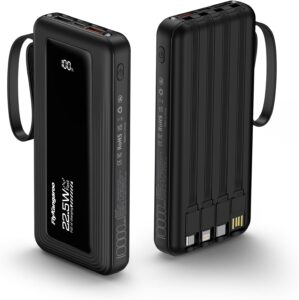
Don’t forget electronics and charging strategies — a slim multi-cable power bank reduces clutter and ensures your devices last the trip. Consider power banks designed for outdoor use like the Portable Charger with Built in Cables for tidy, fast charging without fishing for adapters.
Packing list: day-hike vs overnight essentials
Use a minimal, layered approach and tailor to season and terrain. Key differences between day and overnight:
- Day hike: navigation, water (1–2L), snacks, rain layer, sun protection, basic first-aid, multi-tool
- Overnight: all day-hike items + shelter, sleeping system, stove/fuel, extra food, headlamp with spare batteries
If your route includes backcountry campsites, add or scale the tent based on expected conditions; check suitable tent options when planning: Camping Tents. Choosing a tent with a small packed size can let you downsize pack capacity or carry more comfort items.
Electronics, entertainment, and trail etiquette
Electronics are useful for safety and comfort—GPS apps, music, and emergency comms—but they add weight and battery needs. Put devices in protective, accessible pockets and seal them from moisture. Keep sound volume low and respect others on popular trails.
If you like listening to music while you hike, lightweight, secure options reduce distraction and weight. Compact choices like Wireless Earbuds are convenient for calls or short tracks while keeping one ear free for ambient sound.
Campsite comforts and minimizing footprint
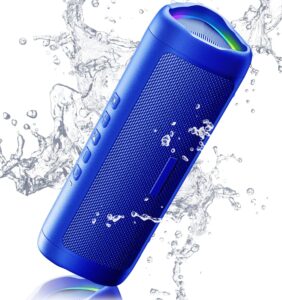
Optional extras (small speakers, camp chairs) can improve relaxation after a long day, but choose compact and quiet options and prioritize Leave No Trace. For small campsite audio that’s easy to pack and water-resistant, consider compact speakers like the portable Bluetooth units available in the shop: Bluetooth Speaker, 20W HD Sound, Portable. Use them sparingly and avoid late-night noise.
Recovery, maintenance, and clothing care
After long days, simple recovery helps reduce soreness and speed the next day’s performance. Stretch, refuel with protein and carbs, and use a compact massage tool if you carry one. Small, travel-friendly devices like the N1 Super Mini Massage Gun can aid recovery on multi-day trips without adding excessive weight.
Also clean and dry clothing effectively each day if possible (venting, wringing, hanging) to reduce blisters and chill risk.
Navigation and tracking: simple tech that helps
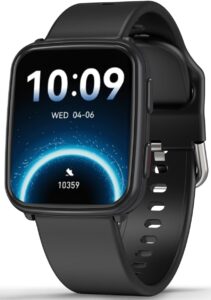
Paper maps and a compass remain essential backup tools, but wearable trackers and smartwatches add convenience for tracking distance, elevation, and basics like heart rate. For hikers who want an affordable all-in-one tracker for route logging and condition awareness, options like the MorePro Fitness Tracker provide useful metrics without a heavy price or learning curve.
Packing checklist
- Pack chosen to match trip length and torso fit
- Hydration + water treatment or filter
- Layers: base, insulating, waterproof shell
- Navigation: map, compass, GPS backup
- First-aid, headlamp, multitool
- Shelter and sleep system for overnight
- Compact charger and spare cables
- Emergency whistle and lightweight shelter tarp
FAQ
- Q: How do I know the right torso length?
A: Measure from the C7 vertebra (base of neck) to the iliac crest (top of hip bones) and choose a pack with that torso length or an adjustable system. - Q: How heavy should my loaded pack be?
A: For most hikers, aim for 20–25% of your body weight as a comfortable guideline; lighter is always better when safe and practical. - Q: Where should I store my water?
A: Use a hydration sleeve if available for even weight distribution; alternatively, store bottles along the sides or in insulated hip-belt pockets for easy access. - Q: How do I keep electronics dry?
A: Use dry bags or waterproof zip pouches inside the main compartment, and keep batteries on your person overnight. - Q: Should I carry a speaker?
A: Carry small, water-resistant speakers only if you’ll use them respectfully; consider quieter alternatives like earbuds to avoid impacting others.
Conclusion — practical takeaway
Choose a pack by trip type and fit first, then refine based on materials and key features. Pack heavy items close to your spine, keep essentials accessible, and use compression and organizers to maintain stability. Prioritize safety and comfort over nonessential extras; if you take nothing else from this guide, practice packing once at home with your full kit until every item has a logical place.
Products Featured in This Article
Bluetooth Speaker, 20W HD Sound, Po…
Product description The video showcases the product in use.The video guides you through product setup.The video…
MorePro Fitness Tracker with 24/7 H…
Product description MorePro AIR6 Smart Watch Boost Your Day: Smart Health and Fitness Companion MorePro 24/7…
Portable Charger with Built in Cabl…
From the brand 22.5W Fast Charging Compact and Portable Built in Cables Portable Charger with Built-in…
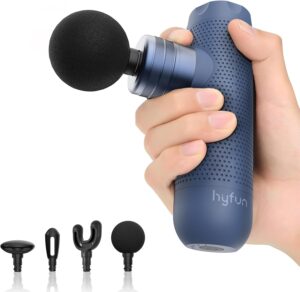
N1 Super Mini Massage Gun, Ultra-Co…
Product description Product Dimensions : 2.8 x 1.6 x 5.6 inches; 1.15 pounds Item…
Recommended Next Reads
Useful guides selected from topics related to this article.
 Guides
How to Pack a Carry-On Efficiently for Any Trip
How to Pack a Carry-On Efficiently for Any Trip Packing a carry-on well saves time, avoids baggage fees,...
Read Guide
Guides
How to Pack a Carry-On Efficiently for Any Trip
How to Pack a Carry-On Efficiently for Any Trip Packing a carry-on well saves time, avoids baggage fees,...
Read Guide
 Guides
Simple Ways to Stay Active When You Sit Most of the Day
Simple Ways to Stay Active When You Sit Most of the Day Sitting a lot doesn’t have to...
Read Guide
Guides
Simple Ways to Stay Active When You Sit Most of the Day
Simple Ways to Stay Active When You Sit Most of the Day Sitting a lot doesn’t have to...
Read Guide
 Guides
How to Set Up a Comfortable and Organized Gaming Space
How to Set Up a Comfortable and Organized Gaming Space A great gaming space is more than flashy...
Read Guide
Guides
How to Set Up a Comfortable and Organized Gaming Space
How to Set Up a Comfortable and Organized Gaming Space A great gaming space is more than flashy...
Read Guide