
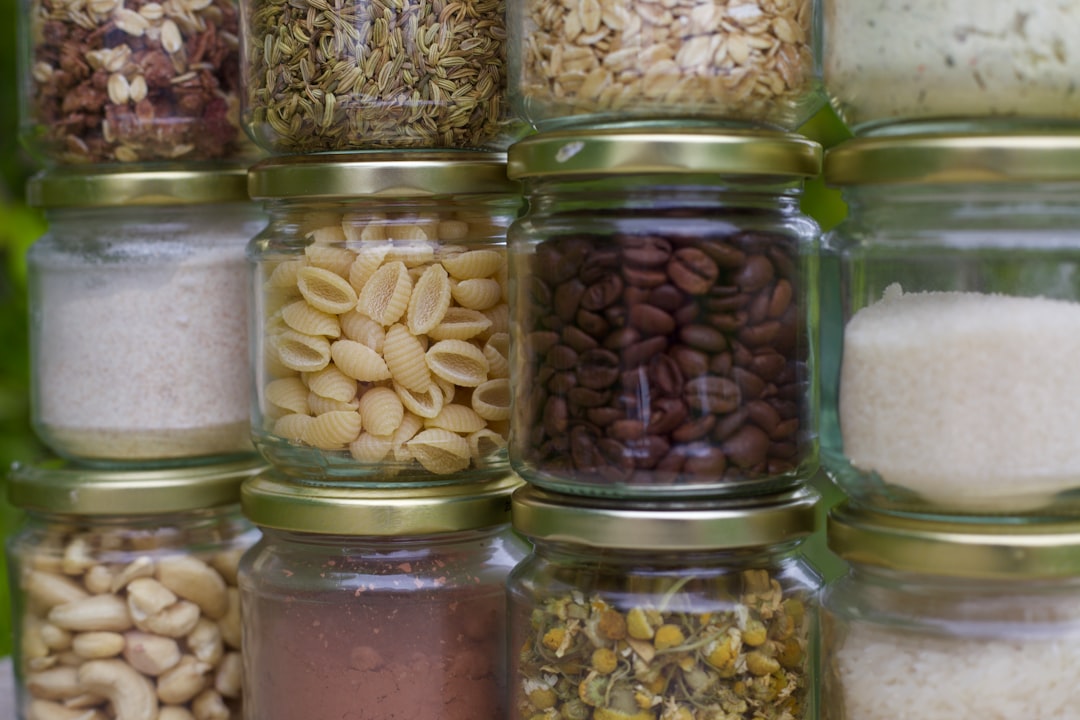
Smart Food Storage Tips That Reduce Waste and Save Space
Good food storage saves money, reduces waste, and keeps your kitchen functional. Practical systems—right containers, clear labeling, and thoughtful use of leftovers—cut spoilage and free up space for what you actually eat.
Below are proven, actionable strategies you can implement today. For shopping ideas and products that support these habits, check trusted sellers like PriceHunterPro for relevant kitchen and home items.
Choose the Right Containers
Start with containers that are airtight, stackable, and appropriate for the food you’ll store. Glass is durable, non-porous, and safe for reheating, while clear containers make contents visible so nothing gets forgotten. A complete set like the Razab 24 Pc Airtight Glass Food Storage Containers covers meal prep, leftovers, and pantry staples neatly and reduces the need for multiple mismatched tubs.
Organize by Use and Lifespan
Group items by how you use them and by shelf life. Keep breakfast items together, snacks together, and baking supplies together. Within groups, place soonest-to-expire items at the front. Use a simple rotation system—first in, first out—to ensure older items are eaten before newer purchases.
Maximize Refrigerator and Freezer Space
Arrange the fridge by temperature zones: top shelves for ready-to-eat foods, middle for leftovers and prepared meals, crisper drawers for produce, and the coldest area (usually the back) for raw meat. In the freezer, flatten soups and sauces in zip bags to stack like books and reclaim shelf space. For everyday reheating and crisping of saved meals, an appliance such as the Nutrichef 5.8 Quart Air Fryer is excellent: it uses less energy than an oven and restores texture to many leftovers so you’re more likely to eat them rather than toss them.
Smart Storage Tools and Tech
Small tech investments can reduce waste. Good lighting helps read dates; consider smart bulbs like the Linkind Matter Smart Light Bulbs in pantry or under-cabinet fixtures to improve visibility and make spotting near-expiration items easier. A motion camera such as the TP-Link Tapo 1080P Indoor Security Camera can double as a quick remote check to see what you have left in a hard-to-reach pantry or basement storage—handy before a grocery run.
Preserve Freshness with Proper Prep
Prep items for storage the moment you bring them home. Trim greens, wash and fully dry berries before refrigeration (moisture accelerates mold), and separate herbs into damp paper towels inside breathable containers. For dry goods, transfer bulk flour, sugar, and grains into airtight jars or containers to protect from pests and humidity; airtight glass options reduce odors and contamination. For frequent-cook households, quality pans like the KitchenAid Hard-Anodized Nonstick Frying Pan make batch-cooking and quick sautés easy—minimizing partial-ingredient waste.
Smart Seasoning and Portion Control
Keep seasonings accessible and organized so you actually use what you buy. A dedicated grinder set like the Electric Salt and Pepper Grinder Set makes seasoning faster and reduces the chance of unused specialty spices going stale. Also, portion meals into single-serving containers when you cook so you can grab exactly what you need—this prevents oversized servings that lead to plate waste.
Use Leftovers Strategically
Think of leftovers as ingredients, not just reheated meals. Turn roasted vegetables into omelets, soups, or fried rice; stale bread becomes croutons, breadcrumbs, or a pudding. Store prepared components separately—proteins, grains, and sauces—in stackable glass containers for quick recombination. Crisp items up in the air fryer or on the stovetop to make reheated food more appealing and reduce the chance it will be discarded.
Keep Storage Areas Clean and Pest-Free
Clean shelves and sweep pantry floors regularly; crumbs and spills attract insects and rodents. A robot vacuum like the roborock Q7 M5+ Robot Vacuum and Mop can maintain under-cabinet and pantry floors with minimal effort, reducing pest risk. Store long-term staples in sealed bins or jars and check seals periodically for integrity.
Labeling, Inventory, and Simple Systems
Adopt three simple habits: label with contents and date, do a weekly five-minute pantry/fridge sweep, and keep an on-the-door shopping list of low-stock essentials. A basic inventory system—paper, whiteboard, or phone photo—prevents duplicate purchases and forgotten items that spoil. Use clear containers so inventory is visible at a glance.
Quick Checklist
- Use airtight, stackable glass containers for most foods.
- Group items by use and rotate older items forward.
- Prep produce for storage: dry, trim, separate as needed.
- Flatten and stack freezer bags to save space.
- Label with date and contents at time of storage.
- Use small appliances (air fryer, quality pans) to make leftovers appealing.
- Keep pantry floors clean to prevent pests.
- Do a weekly five-minute inventory check.
FAQ
Q: How long can I safely keep cooked leftovers? Most cooked dishes last 3–4 days in the refrigerator if stored in airtight containers. Freeze anything you won’t eat within that window.
Q: Are glass containers better than plastic? Glass resists stains and odors, is oven-safe for reheating, and lasts longer—making it a cost-effective, safer choice for most food storage needs.
Q: How can I prevent freezer burn? Remove as much air as possible from bags or use airtight containers. Portioning into individual servings reduces the number of times you open a package.
Q: What’s the easiest way to reduce pantry clutter? Group like items, discard expired goods, and store bulk purchases in uniform, stackable containers so you can see and access everything.
Q: Can smart bulbs or cameras really help with food storage? Yes—better lighting improves visibility so you use items before they spoil, and a simple camera can let you check pantry stock remotely before shopping.
Conclusion
Smart food storage is mostly about systems: the right containers, consistent labeling, and small tech or appliance choices that make leftovers and batch cooking easy to use. Start with one change—switch to airtight glass containers or adopt a weekly sweep—and build habits from there to cut waste and reclaim space.
Products Featured in This Article
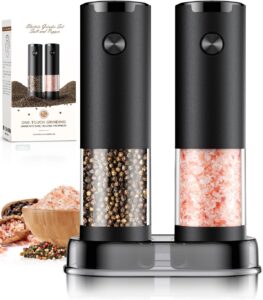
Electric Salt and Pepper Grinder Se…
From the brand ★【𝟱 𝗔𝗱𝗷𝘂𝘀𝘁𝗮𝗯𝗹𝗲 𝗟𝗲𝘃𝗲𝗹𝘀 𝗳𝗼𝗿 𝗣𝗿𝗲𝗰𝗶𝘀𝗲 𝗮𝗻𝗱 𝗘𝘃𝗲𝗻 𝗦𝗲𝗮𝘀𝗼𝗻𝗶𝗻𝗴】You know that moment when flavor…
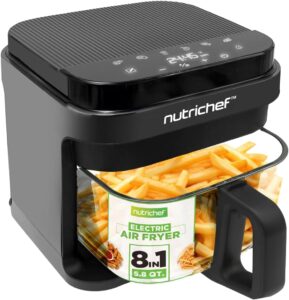
Nutrichef 5.8 Quart Air Fryer | 8-1…
Product description 1 8 PRESET PROGRAMS 2 MONITOR YOUR MEAL 3 NON-STICK PRECISE COOKING RESULTS –…
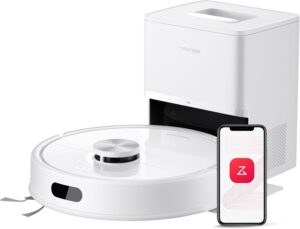
roborock Q7 M5+ Robot Vacuum and Mo…
From the brand Smarter Clean, Lighter Life. 𝟳-𝗪𝗲𝗲𝗸𝘀 𝗛𝗮𝗻𝗱𝘀 𝗙𝗿𝗲𝗲 𝗖𝗹𝗲𝗮𝗻𝗶𝗻𝗴: With a 2.7L sealed dust…
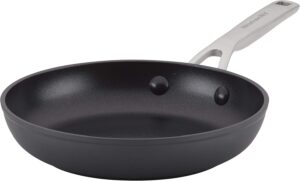
KitchenAid Hard-Anodized Induction …
Take control with even heat and achieve consistent results when cooking with the KitchenAid Hard Anodized…
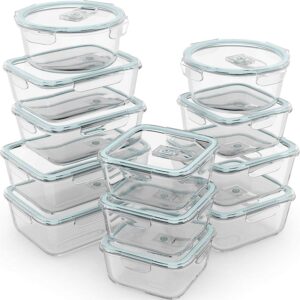
Razab 24 Pc Airtight Glass Food Sto…
From the brand About the Brand Razab is a US-based family-owned business established in 2017 with…

TP-Link Tapo 1080P Indoor Security …
Protect your home with the Tapo C100 smart indoor security camera Wi-Fi. Featuring crystal-clear 1080P high-definition…
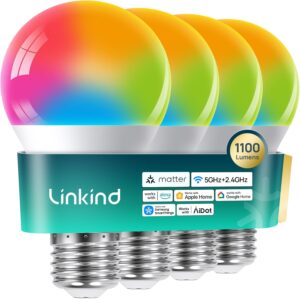
Linkind Matter Smart Light Bulbs 5G…
From the brand Swipe Left to Learn More Linkind Smart Light Stick New Releases Linkind Smart…
Recommended Next Reads
Useful guides selected from topics related to this article.
 Guides
How to Set Up a Comfortable and Organized Gaming Space
How to Set Up a Comfortable and Organized Gaming Space A great gaming space is more than flashy...
Read Guide
Guides
How to Set Up a Comfortable and Organized Gaming Space
How to Set Up a Comfortable and Organized Gaming Space A great gaming space is more than flashy...
Read Guide
 Guides
10 Everyday Habits That Help Keep Your Skin Healthy
10 Everyday Habits That Help Keep Your Skin Healthy Healthy skin is less about miracle products and more...
Read Guide
Guides
10 Everyday Habits That Help Keep Your Skin Healthy
10 Everyday Habits That Help Keep Your Skin Healthy Healthy skin is less about miracle products and more...
Read Guide
 Guides
12 Sustainable Weight-Loss Habits You Can Start Today
12 Sustainable Weight-Loss Habits You Can Start Today Weight loss that lasts isn’t about quick fixes — it’s...
Read Guide
Guides
12 Sustainable Weight-Loss Habits You Can Start Today
12 Sustainable Weight-Loss Habits You Can Start Today Weight loss that lasts isn’t about quick fixes — it’s...
Read Guide