
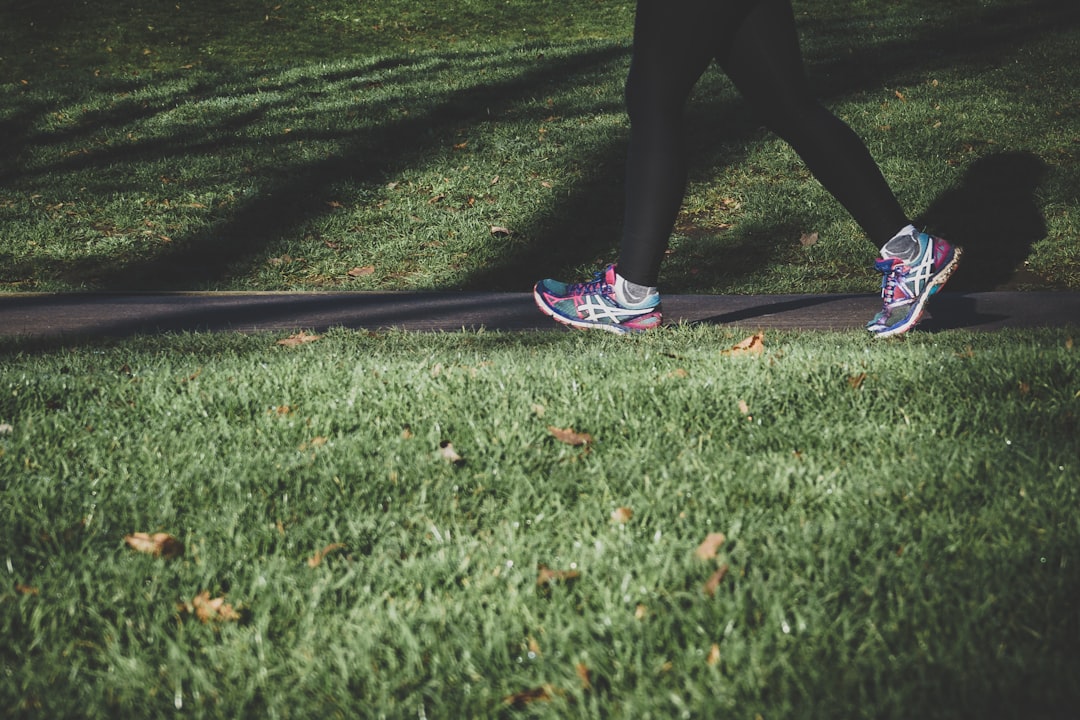
A Beginner’s Guide to Walking for Fitness and Weight Management
Walking is one of the simplest, most accessible ways to improve fitness and manage weight. No special skills are required, and with a sensible plan you can build endurance, burn calories, and reduce stress while protecting joints.
This guide gives practical steps to start walking for health, how to progress safely, what gear helps, and how to combine walking with strength and recovery to get measurable results.
Benefits of walking for fitness and weight management
Walking improves aerobic fitness, supports daily calorie burn, and helps preserve lean muscle when paired with strength work. It’s low-impact, easy to fit into a daily routine, and benefits mood and sleep—factors that matter for long-term weight control. To measure progress reliably, consider a dedicated tracker like the MorePro Fitness Tracker to log steps, heart rate zones, and calories without manual calculations.
How to start: frequency, duration, and pace
Begin with realistic frequency and duration—aim for 3–5 walks per week. If you’re new, start with 15–20 minutes at a comfortable pace and increase duration by 10–15% per week. For weight management, gradually work toward 30–60 minutes per session. To keep motivation high, bring music or podcasts with a comfortable pair of Wireless Earbuds—they make daily consistency easier and can help keep cadence steady during brisk sessions.
Planning routes, time, and safety
Choose routes that fit your goals: flat loops for steady cardio, varied terrain for more effort, and hill routes to increase intensity. For longer outings or when carrying water and snacks, a lightweight pack makes walks more practical—consider a well-designed Hiking Backpack that distributes weight and holds essentials.
Walking workouts: steady-state, intervals, and hills
Not all walks are the same. For general fitness and fat loss, mix:
- Steady-state brisk walks (sustainable pace for 30–60 minutes).
- Interval walks (alternate 1–3 minutes fast with 1–3 minutes easy for 20–30 minutes).
- Hill repeats (short bursts uphill with easy downhill recovery).
If you plan long walks and rely on a phone for navigation or music, keep a reliable power source handy—like a Portable Charger with Built-In Cables—so battery drain doesn’t cut workouts short.
Complementary strength training: why and how
Walking burns calories and builds endurance, but strength training preserves and increases muscle mass, which supports a higher resting metabolic rate. Use simple equipment at home or the gym—start with bodyweight moves, then add resistance. Resistance bands are portable, inexpensive, and excellent for glute and leg strength: try a set like Resistance Band Sets for clamshells, lateral walks, and resisted squats.
When to add external weights
After 4–8 weeks of consistent walking and basic strength work, consider adding progressive loads to increase strength and speed up fat loss. Adjustable weights let you incrementally increase resistance without cluttering space—look for Adjustable Dumbbells to perform goblet squats, Romanian deadlifts, and rows that complement walking-based cardio.
Recovery, mobility, and soreness management
Recovery is essential to sustain progress. Simple post-walk mobility and foam rolling help, and for tight muscles a targeted device can speed relief. Consider a percussive tool like a Massage Gun to reduce stiffness after longer or intense walking sessions (use moderately and avoid sensitive areas).
Gear and pre/post-walk routine
Good shoes and moisture-wicking layers matter most. Add a short warm-up and cool-down: 3–5 minutes of dynamic moves before walking and 5–10 minutes of stretching after. A non-slip mat makes floor-based stretches more comfortable—if you do dedicated mobility or bodyweight strength sessions, a quality Yoga Mat is a practical addition to your kit.
Checklist: Getting started right
- Set a realistic schedule: 3–5 walks/week, build duration gradually.
- Choose walk types: steady, intervals, hills—rotate weekly.
- Track steps and heart rate for progress with a reliable tracker.
- Add 2 strength sessions/week (bands or dumbbells) to protect muscle.
- Pack essentials for longer walks: water, snacks, phone, charger.
- Prioritize recovery: stretching, mobility, and occasional massage tool use.
FAQ
Q: How fast should I walk to lose weight?
A: Aim for a brisk pace that raises your breathing but still allows short conversation. Combine longer steady walks with some higher-intensity intervals to increase calorie burn. Track intensity by perceived exertion or heart rate zones rather than speed alone.
Q: How many steps per day are enough?
A: General targets range from 7,000–10,000 steps/day for health; weight-loss goals often benefit from higher totals and structured walks. Focus on consistent daily movement plus purposeful exercise sessions.
Q: Can I walk every day?
A: Many people can walk daily if intensity and duration are managed. Include at least one lighter or active recovery day each week and listen to soreness or fatigue signals to avoid overuse.
Q: Do I need strength training if I walk a lot?
A: Yes—strength work preserves muscle mass, supports walking performance, and helps long-term weight control. Two short sessions per week using bands or progressive weights is an efficient strategy.
Q: How quickly will I see results?
A: Noticeable fitness improvements can appear within 2–6 weeks; weight changes depend on diet, starting point, and consistency. Track trends over weeks rather than day-to-day fluctuations.
Conclusion: A simple, sustainable plan
Walking is a practical foundation for fitness and weight management. Start with consistent, manageable sessions, add intentional intensity twice a week, include strength training, and prioritize recovery. Small, steady improvements—tracked and supported by a few targeted pieces of gear—deliver lasting results.
Products Featured in This Article
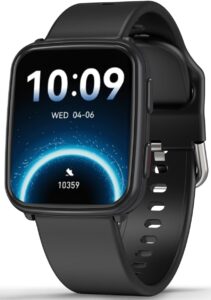
MorePro Fitness Tracker with 24/7 H…
Product description MorePro AIR6 Smart Watch Boost Your Day: Smart Health and Fitness Companion MorePro 24/7…
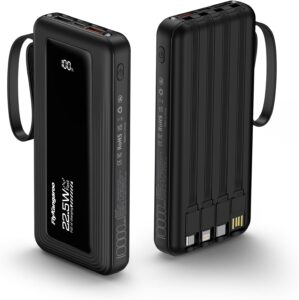
Portable Charger with Built in Cabl…
From the brand 22.5W Fast Charging Compact and Portable Built in Cables Portable Charger with Built-in…
Recommended Next Reads
Useful guides selected from topics related to this article.
 Guides
A Beginner’s Guide to Planning a Weekend Camping Trip
Introduction A weekend camping trip is one of the simplest ways to reset: fresh air, fewer screens, and...
Read Guide
Guides
A Beginner’s Guide to Planning a Weekend Camping Trip
Introduction A weekend camping trip is one of the simplest ways to reset: fresh air, fewer screens, and...
Read Guide
 Guides
How to Improve Wi-Fi Coverage Throughout Your Home
How to Improve Wi‑Fi Coverage Throughout Your Home Slow or patchy Wi‑Fi is one of the most common...
Read Guide
Guides
How to Improve Wi-Fi Coverage Throughout Your Home
How to Improve Wi‑Fi Coverage Throughout Your Home Slow or patchy Wi‑Fi is one of the most common...
Read Guide
 Guides
How to Groom Your Dog at Home Without Causing Stress
How to Groom Your Dog at Home Without Causing Stress Grooming at home can save money and strengthen...
Read Guide
Guides
How to Groom Your Dog at Home Without Causing Stress
How to Groom Your Dog at Home Without Causing Stress Grooming at home can save money and strengthen...
Read Guide